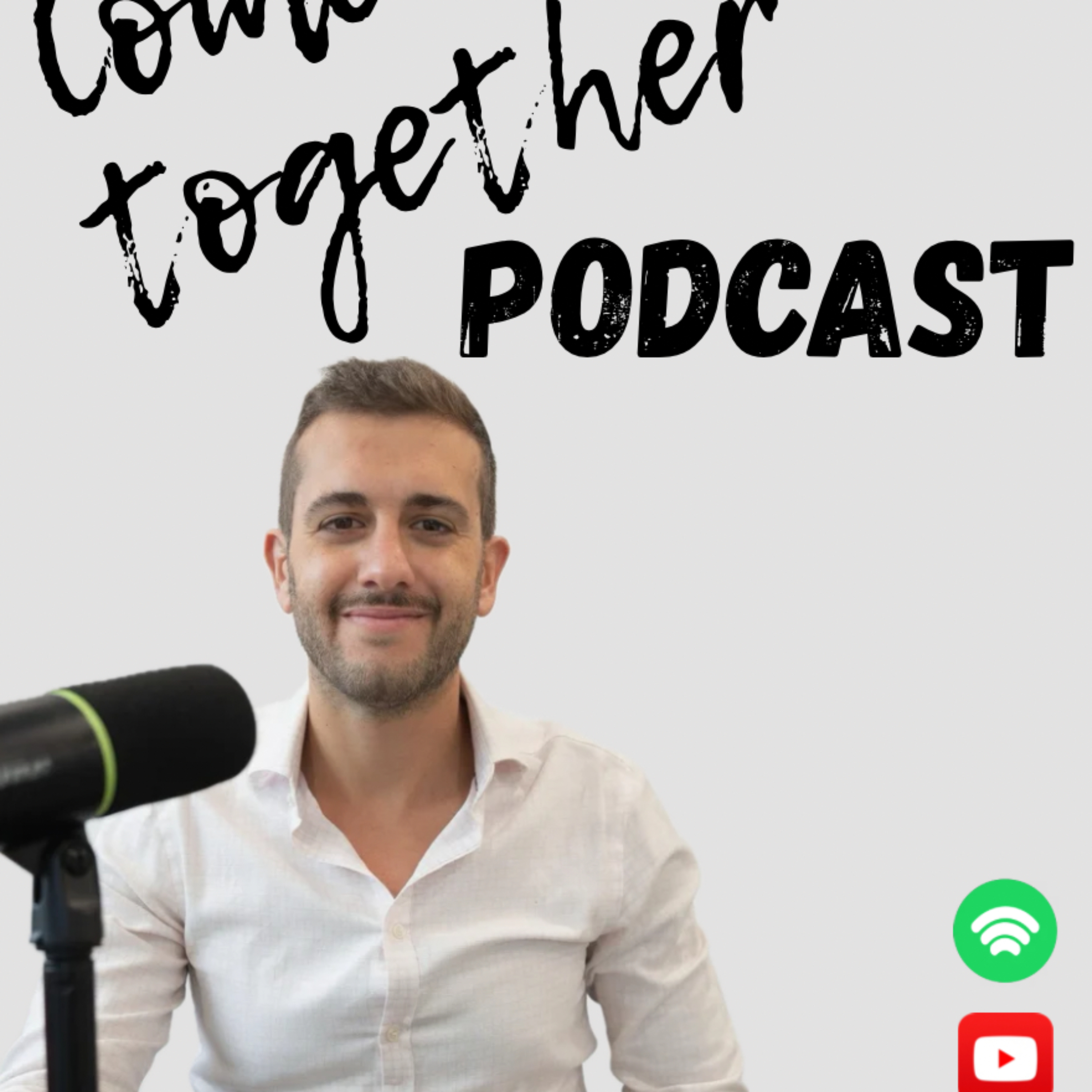
Entertainment Series 1: Anthony Vittorioso



 RSS Feed
Stuntman | Fight Coordinator | Martial Artist
With over 12 years of experience in the stunt industry, I specialize in delivering high-impact, story-driven action for motion pictures, television, and interactive media.
As a Fight Coordinator, I lead production fight teams, choreograph dynamic combat sequences, and train cast members to perform safely and convincingly. I also develop pre-visualization (pre-viz) videos to refine action sequences before filming, ensuring execution on set.
As a Stunt Performer, I bring a diverse skill set that includes multiple martial arts disciplines, melee weaponry, firearms handling, and precision stunt work. Whether executing high-intensity fight scenes or complex physical gags, I am committed to realism, safety, and cinematic excellence.
Passionate about pushing the boundaries of action storytelling, I thrive on collaborating with directors, actors, and stunt teams to create unforgettable moments on screen. Let’s make something epic!
Based in LA | Stunt Reel Link :
https://youtu.be/dCCkA4tO_IM
0:01 Welcome to another episode of Come Together Two and we're live, Tony. Let me see. Let me see if I don't butcher your name. Vita Vita Rosio. Vita Rosio. Hey, that's close enough. People just give up. No, it's OK. People just give up all the time. Vita Rioso. It's me also. Where you from man? I'm from Chicago, IL, born and raised. Love that place, man. Love that place. Chicago proper, OR? Yeah, we I grew up on the West side of Chicago. Wow, awesome.
0:43 Yeah. How'd you like growing up there? It was, it was, it was good. You know, my, my, my parents didn't really let me go out as much because we were on the West side of Chicago, even though it's really not bad in a bad area, But because they're just protective and they just want the best for me. They kind of kept me secluded and put me in the martial arts program. And that's where I spent most of my times in Chicago. So great. Yeah. So let's get. So let's dive right in. Why don't you tell me a little bit about who you are and what you're up to, and we'll go from there. Great. Well my name is Tony Victodioso. I'm a martial artist, stuntman, fight coordinator and and aspiring action director. My passion lies bringing people together to create work, something that we can all be proud of. And so for me, it's about the journey and not so much about the the accolades that'll come as as the work happens. So.
1:35 How do you who taught you that perspective? That's a great perspective to have, and I feel like a lot of people don't have that. I feel like in the, I can't speak for everybody, but in the industry people just want to say I did this and I did that and you know, you know, they want to be the big shot. And I feel like that's that happens in most businesses anyways. But in the industry you get humbled really fast. And so if you just kind of stay humbled the whole way, no one's going to put the finger at you as this guy's, this guy's, this, this, and this. He's looking for attention, he's looking for trouble. He's looking to throw other people under the bus for his own, for his own gain. I'm sure there's a lot of that, right? All the time, but you know, you, you try not to take it personal.
2:16 You just kind of kind of navigate your own way and whatever comes your way, you navigate a straight away and bada Bing, bada, boom, all is good at the end of the day. That's it, you know, that's it. So you started with martial arts before you ever thought about doing stunts? What martial arts do you study and when did you start? I started when I was 4, started off at Bob Zhang's Martial Arts. He taught Taekwondo, Hapkido, and I did that up until maybe 12 or 13 years old. And then when we moved to the suburb of Naperville, I found the school called Sharkey's Karate, which has basically changed my whole life. So once I started there, oh man, just said the, the, the people there are so elite. The people there are elite, but the person who was guiding that whole, that whole school Sensei John Sharkey, he's created average human beings to elites.
3:15 And it's, it's, it's just a persona he has. It's his teaching. It's the way he loves you. It's the way he guides you. It's like you almost don't want to let him down. You know, he, he, he puts so much, he pours so much into you. It's like you have no, you have no choice but to go. If you mean to go, go mean. And that's what that's what he's instilled in us, his go no matter what. So. I I, I teach, I teach English part time in the afternoons to high school students. And one of the things that I've noticed over the last couple of years is that when I, I hold my students to a higher standard and I tell them that like, I know you're smart, I know you're capable, I know you could do this, Then that that gives them less ex less excuses for themselves to kind of opt out of responsibility.
4:08 You know, and I think that a lot of times we, I think the biggest problem that we, we experience, especially as we're growing up is like, we almost don't want the standards to be high. So that because you know, you don't want to, you don't want to let someone down. Like, you know, on one hand, you don't want to let someone down. And on the other hand, it's also scary because it just means you're taking on extra responsibility and the burden of being, you know, of trying to be your best yourself requires a lot of effort and a lot of hard work. And you know, it's, it's, it's, it's a lot to deal with. So I think that I think that when you when you're kind of given permission to be great, that's when and you know, and and you see that someone believes in you, that really brings out the best in, you know, people in general. 100% you've been the Senate.
4:55 Any better than that? So what's the difference? What's the difference stylistically for anyone that doesn't know between karate and you said you started with Taekwondo? Yes, Sir. So what's the difference stylistically between them, or philosophically or whatever? Taekwondo is more of a king art. Taekwondo has to deal. I like to think of Taekwondo as as fencing with your feet. You know, there's you can also say that about Savat too, But Savat is a French kickboxing. It's it's more boxing with your feet as I like to think of Taekwondo as as fencing with your feet because you're you're going in and out in this linear pattern. But you can also move off access and and kind of take your angle and karate is more grounded. I like to think of karate as nerd nerd out a little bit like earth bending, because you're so in in tuned with grounding yourself and generating power from the ground up into your fist.
5:51 Or whether it's a punch, a kick, a block. Our sensei always taught us a a block as a punch, a punch as a block, and even the even the kick is a block is you explain. What that means? Yeah, so we have this thing called Let's go, let's go shoot up, right? It's just called a knife hand punch, right? OK, so there's uki, then there's zuki, right? And uki means a punch or like an attack. And the zuki is is a block. So I I could take a knife hand block and I could go linearly to to the collarbone. But if I just go off access just past my center line, I I can take that block that that punch and turn into a block mark if the person were to attack my center line.
6:36 I have so. It's kind of adaptable. It's kind of adaptable. 100%. Cool, cool, cool. Yeah. And, and what do you, what do you learn? What do you learn about life, especially when you're young, when it comes to martial arts, discipline, discipline. That's probably the most important thing you can learn, right? 100% like. For anyone, it doesn't make a difference to what you're doing. It doesn't make a difference if you're an accountant or a lawyer or a stuntman or anything like you got to be. Of course, of of course, because you know, motivation comes and goes. You know, you can watch inspiration video, you can look at your colleagues and be inspired. But you know, discipline is what you know, drives you to get to your end goal, right? So, you know, there are times you don't want to wake up and you don't want to go train, but you, you have to do it like you love it.
7:25 You know, when did you do it at all? Did. You, I mean, I'm sure that didn't happen right away. Do you remember when you like kind of shifted into that discipline mindset as a kid? It's a great question. Thank you. I'd say just like anything, it it, it forms into a habit, right. From what I, from what I understand, it takes roughly 2124 days to create a habit. And I definitely did not do that without the support of my family, without the support of, you know, my loved ones. And, you know, at the end of the day, I'd be like, mom, I don't want to go. She's was you have to go me all like, why are you not going? Yeah, you know, and then my grandma would and stay with me. And like, you just have to do things you don't want to, period.
8:10 And so I think it, it really set in stone with me once I started competing in martial arts because now, now it's investment of crime. It's, it's, it's travelling, it's, it's missing school. It involves money and involves so many different, you know, varieties of life, right? So you almost don't want to waste it. So it really became a, a habit in the discipline and motivation to just do the best that I can do. And even if I failed, I, I know that I put my whole heart into it and the people who supported me were happy. And if they're happy, I'm happy and vice versa. So. I like to help you relationships with potentially losing. You know, you like if you, if you lost at a tournament or a competition and you knew you really did your best, what was or I don't know what, what, what, what experience have you had with that kind of thing?
9:02 You know, if I had to reflect on it now, you know, losing back then, it didn't feel like a big deal. You know, I don't, I don't know. It's, it's, it's one of those things where if it felt like a big deal, but in, in, in the grand scheme of it, I was there to have fun. You know what I mean? Like, I got to hang out with my friends. I got to travel the world, you know? I got to do where. Where some places you went? I went to Battle of Atlanta. We did Kentucky, which is Bluegrass Nationals, which is what Sensei Sharkey ran for a while and then he moved it to Chicago. Now it's called AKA Grand Nationals went to U.S. Open, which is this thing that's broadcast, broadcasted on ESPN. So that was really cool to be involved with Capital Classics. I'm in Nationals, which is in I believe it was in Minnesota I reckon.
10:03 When you go to these places, you checking out the cities, are you going with your family? What's what's, what's happening at this point? Are you going for the tournament? Coming and going? I was grace to just go with my sensei, you know, my parents, my parents just kind of let me go and I was able to kind of, you know, live that that teenage life travelling and just so that was really cool and something took care of us. So he was as much as he was responsible for us at the end of the day, he gave us the ground rules, you know, don't leave the facility unless you tell me. But for the most part, we were very respectful of his of his rules because that's our sensei. So, you know, there, there's that little gap area where you kind of, you know. Yeah, of course you go.
10:43 You look good, man. You're gonna do. You gotta do. So. Yeah, but I, I feel like I, I, I, I feel like the sensei role is like so instrumental for so many people because it's almost like parently, right? It's almost like a paternal, A paternal kind of figure, the sensei. Yeah, that kind of I feel like if you don't have that kind of support at home that the discipline and the and the life life lessons that senses teach you really step up for a lot of people. Have you, have you, have you noticed that in like your in your experiences with other guys or guys or girls in your, you know, classes? Yeah, yeah. The the sensory role is just our senior, you know, you don't want, it's like, it's like how you treat your grandma or your grandpa, right?
11:33 It's how you, it's like respecting your elders. You know, at the end of the day, you know, martial arts hasn't just taught us like a discipline of physical art. It's a spiritual art. But it's also learning how to just treat people like how you would like to be treated. But because they're older than you, because they have more, more wisdom, you almost want to go above and beyond to, you know, show their respect. You know, it goes beyond treating how you would treat your parents in a way like that's no disrespect to your parents, right, as your parents, but it's just, you know, you want to treat them with the highest regard, I think. Part of the value, I think part of the value of that is like a relationship that you're choosing to engage in as opposed to one that you have to is always a little bit more meaningful to the person that you're choosing to engage, right?
12:18 So like the reason a parent loves a kid more than a kid can understand is because a parent chose to have the kid and raise the kid. The kid didn't choose to have the parent, you know, like the kid was born in that situation. But if you have a sensei, you know, you choose to sensei and you're, you're opting to stay in that relationship with him or whatever it is, and, and you're, you're opting to maintain that relationship. And so you kind of appreciate it more than something that was kind of just there for you to just have. You know, I think, I mean, that's, that's kind of that's one of the things that I was thinking about in terms of, in terms of like coaches and senses and stuff like that. You know, it makes such a huge difference for so many people. And like I was, I actually did a podcast with the woman that's head of criminology, undergraduate criminology, University of Miami.
13:04 And one of the things that she was doing research with was how organized sports and having these and having coaches and role models dramatically, dramatically decrease the likelihood for a crime, for adolescent crime and youth crime. And, and just having like that figure where they kind of, you know, that that role model figure at a young age really, really makes all the difference in the world when it comes to your decision making. 100% And the sensei doesn't have to be. It could be, it could be a teacher, it could be a business advisor, you know, Sensei seafood, you know, it, it, it's all the same thing is, is you're just looking at someone to the highest regard.
13:45 I like to think of it as also like a mentor, you know, if we hadn't put it that way. So yeah, I I wouldn't be where I'm at today without the mentors in the senses in life. How often do you train? How How do you keep up training? How often do you train? What do you do if you're a jug of water? Every every day, every day, every day, you know, some days go harder than others, you know, Some days are more physical, sometimes are more spiritual. Some days are just absorbing what I can, you know, and that could be from studying film to learning a new language. It's just as soon as you become stagnant in your life, I feel like you become deluded. And I think no one wants to feel like they're deluding, especially as we age.
14:29 And I know agent isn't a big thing, but, you know, we're right here for a limited time, so why not go hard? You know in. In every possible way so. I think that's, I think that's what discipline gives you. I feel like discipline gives you the opportunity to really make the most of your potential. And I think that, you know, because actually one of my biggest fears, like in my life in general has just been like to die before feeling like I did like, like feeling I wasted my, you know, wasted my potential. That was like, I always think about that and I feel a lot better about it the last couple of years since I've really worked on my discipline and like really worked on not being lazy and putting my effort into, you know, 100% into what I do, you know, But I think that that attitude, that healthy attitude has like I think it's required. I think you need that discipline before you can become the best version of yourself that you can do and really do all that. What are the?
15:24 What language are you learning? I'm currently learning Urdu, which is a extending language, which is it's just hard language. Yeah, it's it's hard. What's hard about it? The pronunciation and, you know, just like any language, it's how, how you structure and, and the pauses in between the words and, you know, just like English, you can kind of just flow and you know, things happen. It's the same and, and, or do except, you know, the way that they roll their Rs and, and the way that they use their throat and, and their tongue just like, just like really any language. But because I primarily Hispanic and American, it's just, it's a, it's a very different language for me, so. Sure.
16:12 Yeah, but you speak Spanish. A little bit, yeah. I'm a, I'm a, I'm a false Mexican. I'm half Puerto Rican and half Mexican. My, my grandma taught me as much as she could when I was younger. And then, you know, as I got older, that kind of all just kind of faltered and other things started being a priority. Yeah, sure. Yeah. I I grew up speaking Hebrew and my Hebrew is not up to snuff as compared to what it used to be. It's OK. Not all happens. Yeah, I mean, like I could with the more I engage, like if I if I practice, if I run into someone that speaks Hebrew and I practice for a couple of days, it kind of clicks back into place, but it's not what it used to be. So. So tell me a little bit about the stunt world.
16:53 So tell me for anyone that doesn't know, right, they'll be listening. What does stuntman or you know, what do stunt people do? Some people do. Yeah, just just overall, if someone, if someone never knew that this position existed in Hollywood and, you know, entertainment, you know what? How would you describe it to them? We are the people who put our bodies on the line for entertainment and and sometimes it can be the simplicity of, you know, coming into lens and taking a punch and leaving frame or taking a car hit and then having to do that. You know, as many times as they say action Wow. So, you know, I think it's one of the best jobs to to me. There's there's that rush that that you get. It's going to sound kind of crazy of of of putting your life on the line for for the sake of proving something to yourself. Like, you know, when it when it becomes are you set ready 321 action for me, like everything kind of the, the hyper focus kicks in and all I hear is action. And then to be honest, I don't even know what I'm what I'm doing.
18:01 My body jumps and I know what my body moves and I feel like that's, that's the form of myself that I don't have to think about. You know, you train so hard to do all of these, these skills, right? And then when it's time to do the skill, your, your body goes autopilot and then your brain is allowed to dissect each movement as it's happening by, by like a millisecond, which is, which is something that I always try to understand as I get older because, you know, my, I'm, I'm young, I'm 31. I still have a lot in the tank, but I, I made a promise to myself by the age of like 36, you know, 37, you know, I'm going to try to lean away from, you know, putting my life at risk because, you know, I'd like to be more than just a stuntman.
18:44 You know, I'd love to direct films. I just want to tell stories. Action will never leave my my most on the sewer of violence. And I want to take this violence that I have. And, you know, I use violence like loosely. You know, there's, there's action comedy, there's, you know, there's, there's drama, there's even even the romance. There's that sense of violence, right? So I just want to tell as many stories as I can. I want to represent an idea. And I feel like every stuntman has this mentality of just telling the story, whether that's with their bodies, you know, on screen, whether that's writing or directing action, You know, I feel like every stuntman just wants to tell the story, but they also want to stay behind the curtains because we don't like attention, right? That's The thing is for me, I have a select few friends who just, they don't want to talk to the actors. They don't really care.
19:36 Really. No, yeah. So they just come on to set. They just come on to set, take a hit and then take a take and take, do a hit and then walk off. And bounce, yeah. Don't talk to anyone else. They have nothing else to do with the movie, or not really, whatever. Yeah. I mean, more or less, you know, it's it's, you know it's. It's so is there some, is there some community like is there? Like, Oh yes, Oh yeah, yes, I'm still learning the community, you know, the as as much as the community so small, it's also very vast. You know, everybody kind of knows everybody. Like for me, my seniors, you know, created. A thread, right? And, you know, that thread was basically like why they got into what they were doing, you know, when they were studying the Jackie Chan films and the Bruce Lee films and the Samo films and the Shaw brothers and, and, and the Wu pings, like when they were studying those films, you know, they would replicate, you know, their own ideas of that and what that meant to them. And then they would share with each other. But it would be like criticism, but like that healthy criticism, right?
20:41 You'd be like, hey, you know, like if you thought about maybe slowing down the frame rate or have you thought about, you know, putting more intent behind the punch? And it'd be like these little things that would make the biggest difference. And, you know, now in in our community, you kind of see that, but it, it feels more competitive. It's it's more like everybody wants to get developed because, you know, my mentor told me this. His name is Emmanuel Manzanarrison. I'll never forget it is there's always going to be so many. You're going in you stronger than you, better than you and more talented than you, right? And it's up to you to decide whether you want to push them to the side or you want to help them grow, right. And so I feel like that's an ever go, ever going thing in life. So in the community, you want to basically hone in on the idea of, you know, being genuine with your peers and your colleagues and the people who are coming up. You want to teach them as much as you can, but don't spoon feed them, you know, And I feel like a lot of the work back in the day with The Pioneers like Emma humans and Aeros and you know, Vlad Rinberg and you know, Eric Jacobus, you know, the list goes on, is you, you you just want to make sure that you hone in on the idea of what they've done to make it for themselves. And then, you know, re innovate it to a degree because in my eyes, everything's been done, you know, from from camera work to a punch to a kick to a block to a throw. But what what what hasn't really been tuned in all the way is the emotion that you get behind the
22:12 camera or that, you know, shows in front of the camera. The. Nuance. The body language is so nuanced. Yes, Sir, a bunch of percent. I love that you said that. There's a nuance because because there is, you know, every emotion plays a part. Like I could throw a punch sad, I could throw the punch angry, I could throw the punch, you know, with the straight intent to take your head off or to just damage you. You know, there's, there's so many, you know, variables of doing things, but it all stems from the intent and the emotion behind it. And it's what the story needs to convey. And so you know a lot of. Interesting. When you say, when you say you want to direct, you want to tell stories, it's because you can find a physical way. Obviously there's more than you know, but there's a physical way to tell every story and there's a physical way in each moment to like represent what's going on in someone's head, in their body and in their and in their movement. 100%, Sir, Yeah. Right, Right.
23:03 Yeah, It's so cool. Yeah, it's so cool. It's so much fun. Yeah, I'd like to say there's, there's always something that you're going to learn whether you're the best, you know, you're always going to find some small detail that you haven't seen before that you might look at it differently even as you age, you know? Yeah, so. Yeah, but it doesn't, I mean, you, you mentioned that the Stone community is getting a little bit more competitive, that everyone wants the jobs there's. I feel like I could be wrong. I feel like there's a lot more content being produced today than ever You got because on top of the big studios, you also have the streaming studios and you have Netflix and you have Amazon and you have like you have Apple TV and you have you have all these studios that are constantly making content.
23:44 Aside from the big, you know, the main studios that everyone's known. Is there not more, Is there not more jobs available at this point? Or is it that there's is that the market becoming became more flooded with stunt with stunt people? No, I just think, you know, you can look at it from a different from multiple perspectives. You know, when when I first started, like I started off in Atlanta, like I start off in Chicago and I'm a mentor, say, hey, go to Atlanta, go make a name for yourself and then go to LA and in Atlanta it wasn't it was really easy to work right. You can kind of just. So when did you, how old are you when you started, and what got you started in it? I started off when I was 19.
24:28 I was working at, I was working at a retail store. I didn't know what I want to do with my life. I knew that I wanted to do something physical. So I, I jumped into a Community College. I got my associates and personal treatment Cool. And one night after work, I, my, my best friend Nate hit pass, sent me a text message and a YouTube video from treasure planet where you know, this is, it's the scene on the boat where he says you have the making of greatness in you. He was already doing stunts at the time with Emmanuel and he said, Hey, I think you'd be a good fit for this. It's not going to be an easy Rd. but I, I, I'd love to do it with you. Right. And that was, that was what, what, what pushed me.
25:09 And at that point, I met, I met Manny and then. You go for auditions, what do you do? Or do you learn skills first? You like, I, I, I, I'm sure you like, you know, getting hit by a car isn't something that you just do, you know, and like, no matter how physically capable you are, right? I'm sure you have to learn this stuff, right? Yeah, it's something that you practice, you know, like you're not going to practice getting hit by par right. But, you know, you, you learn how to move your body in a certain way where you can absorb the impact and then roll off of it, you know, and then once you hit the ground, you, you either if depending how the car is going, you can either just take it for what it is, or you could kind of create this also dirtiness to it as soon as you impact. So at the end of the day, what you train is learning how to move your body.
25:53 That's gymnastics, that's martial arts. That's what kind of got me into this old knowing, knowing my body. So, yeah, I just recently did a did a, a car stunt where I had to had to, you know, jump onto a moving vehicle and then, you know, push come to shove, I get spilled off the moving vehicle, right. And, you know, the vehicles going, you know, at most like 1516. And, you know, you could let the vehicle dictate your movement or you could ride the vehicles momentum and then make it your own. And I feel like, you know, most people would just say, I'm just going to let my body go. Well, that that's when the injuries happen, right? Is, is you just kind of let things happen. Yeah, as soon as you're in control and you'll be cognizant of the whole motion of it all, you, you start to variate the types of wrecks that you can, you know, achieve on film. Yeah, yeah.
26:48 And then and then is there. So what's the feeling like when you you get hit by, you know, you get hit by this car or you're on this car and you fall off and they're like, cut, we screwed up. We need another take. Are you like, let's do it again exactly the same way? Are you like, that sucks. What's your? What's your? Can you do you request other takes sometimes or how does that work? You know, that kind of depends on the film that you're on, right? If, if you're working with the, you know, if, how can I say it? If, if it's a first unit job, I usually tend to keep my mouth shut. Like a first unit job is like, let's say that you're working for, let's say Zack Snyder, right? He's very intimate with the stunt team. He's he's very he, he, he wants the best for his stunt team because if it's the best for his stunt team, it's also going to make the best for his film. And so, you know, I have a, a mentor by, by the name of Damon Carl.
27:41 Him and Zach work so tightly together that if if Damon says, hey, we got to go again, you know, Zach's like, Yep, no problem. You know, let's get the cameras rolling. So there's that trust factor that I trust my boss. If he sees something, he's going to speak up. If he doesn't say nothing and let's say I did something wrong, but he signs off on it, I know I'm in my head. You know, I think there's just that trust that that you have. But now let's say that, you know, we're working on a second unit and you know, usually the second unit director is a. Is a stop. Second unit is just a separate unit from main unit. So you know, mostly main unit will do all of the all of the acting bits that lead into the action, right? And then the second unit director will be quote UN quote like the action director. OK, gotcha.
28:25 More or less than, you know, if I see something or if I feel like I do something, I feel a little bit more confident to say, hey, you know what? I you know, I don't know if you saw that, but I did this, this and this. Do you mind if we go again? But also at the same time, you have to be cognizant of each take is thousands and thousands of dollars, you know what I mean? So you don't want to feel like you're the problem. You just want to make sure that, you know, they're hiring you. It's not, it's not stunt school. It's it's stunt work. So you just want to make sure that you're on your your game. So, you know, it depends, to answer your question shortly, depends on who you're working for. Yeah. Do you think that, do you think that other is your philosophy about that?
29:05 Is that universal throughout the stunt world? Or there are different stunt people that are a little bit more, you call them like Divas or whatever, Like, Oh no, I don't like that take. I want to do it again. Or, you know, they don't have a problem. Like they don't look at it like stunt work. They look at it like, like, listen, this is my art and I want and I want my art to look as, you know, to be as artistic as possible. And so I don't mind spending another couple grand on a take if it's going to be this piece of art, you know? Are there a lot of people like that? I feel like that's that's a, that's a, that's a conversation amongst the stunt team. I don't think it takes one person to say I need to go again because my foot was in the wrong place or, you know, I didn't do this, you know, specific reaction, you know, that to me is going the extreme route. I'm sure that has happened, but you know, for the most part, we are all very humble and we really trust our, our bosses to put us in the right position in the right place. So that's, that's a difficult question to ask because I've always been involved with a good, with a good team. And so, you know, I, I've never really had a thing on set where it's like where things are going to happen in the spirit of the moment, but not to say that it hasn't happened. You know, there's there's tons of. I'm sure there have yeah, that's that's that's how I was curious, you know, because you're because you you seem to be coming at this from a very mature perspective and a very, you know, conscientious of other people and and, you know, time and money.
30:33 And you know, how big of a how big of a effort, you know, making making a film or making a, you know, you know, putting something together is, you know, I just, I was just curious whether that's like a general mentality amongst some people or whether that you're just, you know, the exception you think to the rule. I think I lost you, dude. Oh, wait. I got you good. I got you again. Yeah, we're good. Yeah, yeah. I think for the most part we like to think of ourselves behind the curtain if they need to go again, you know? Yeah, yeah. So what? So what, what? What movies and and films have you done?
31:15 What have you just two questions, OK, what are the, what's some of the biggest movies that I would have heard of and one of the ones that you've enjoyed the most, which I don't. I'm sure there's not necessarily a correlation between the size as opposed to the how you feel about the quality of the stunt work. Oh, that's a great question. Brother, every experience holds different value for me. What movies have you done that would have heard of? Rebel Moon. OK, no, that's not. Yeah, we did a Part 1, Part 2 under Damon, Carl and Freddie Bousillakis. Army. Dead Light, because that's a big production, right? Oh, yeah, yeah. That was a that was a good, that was a good seven months for us.
31:57 We did. Did you walk me through it? 100% I had worked for a gentleman by the name again, Damon Carl on the film called Army the Dead. And I got introduced by like I introduced to Damon by another colleague by the name of Wayne Doglish, who is also under Damon Karl's wing. And you know, my buddy Michael Karns, one of my best friends even still today, you know, we've been coming up together since since we were thirteen years old up at Sharkey's Chronic. That's where I met him. And so, you know, he says, when I first moved to LA in 2018, Michael's like, yo, I got a job that I'm doing with Wayne Doglish.
32:41 I'd love to have you be a part of it. I think you'd like him a lot. And you guys would mesh. And when we did that job together, I've met Wayne, you know, I did a good job. I love the Wayne's vibe. I love his action design. And then from there, Fast forward the next year, Wayne's like, hey, I'd love to have you on this film I'm doing. And I had new Damon Carl's name before. So when you said it was for Damon, I, you know, I fanboy. I was like, you got to think. You got to be kidding me, you know? Damon did 300, you know? So when you watch 300, you're like, yeah. Spartans. Like bad ass warriors, like come on, man. And he did sucker punch as well. He did, you know, Man of Steel, you know, he did Wonder Woman. So you're like you're, you're seeing all these his action design accolades and you're looking at, you know, when you watch it for just design, you know, I, me and Micah and a lot of my other colleagues just gravitated towards that style, right.
33:31 And, and so, yeah, I, I've met Damon on Army of the Dead and from then and on we just had like a working, working relationship. And you know, he's he's he's taught me a lot in like early come UPS as well. And you know, again, I wouldn't I? Wouldn't. So you go, you go out, you go to rebel. So you're in LA. You're living in LA at this point. Yes, Sir. Yeah. And then and then and you go to the Netflix studio and what's the set like? What's, what's it? Is it, how big is it? Was it? What? Can you describe it at all? Yeah, it's a big set. It's a big set, right? But you know, what's, you know what's really cool about about Zack Snyder's, you know, sets, it's so family oriented.
34:12 He's like, he's been working with the same team since, you know, since Dawn of the Dead, right? And so it's just like, ah, it's like everyone knows everybody. And like, I think when you have that, that, that bond, things just start moving. And I and I also feel like you're, you're able not not argue, but you're able to have these creative. It's not even banters, but like those. Back and forth. Yeah, yeah. And it's, I think that is what's cool about his sets. Yes, his sets are big, right? Yes, his sets move. $5 million. It's crazy, it's absurd. It's absurd how much money goes into each take, how much money goes into props and costumes and just even for the stunt department, right. The the stunt department is, holds millions of dollars, you know, and as first stunt coordinators, Jobby, like, how do you take this money that they're giving you? How do you preserve it?
35:02 How do you extend it? How do you push it? How do you ask for more? How do you, you know, how do you, yeah, dictate where this goes? Yeah. And and so it's almost. Politics. Well. Right. You got to figure out who to say what to and how to say it and where to go and who to go to and they'll go over whose head and you know, what are you talking about? Who you talking to? I feel like it's all complicated. There's politics everywhere. It's which is a whole other, you know, conversation. It's done since. But yeah, like his, his sets are probably one of the best sets I've ever been in. Still like to this day. So what's the you get there and how long are you there for? Well, we had prep for roughly 3 months. We started in January. You're.
35:43 Not moving in there because you live there. But what if it's a set that's off, that's off location, right? Like out of LA, That's how you're going to, I don't know, let's say Atlanta, right? For, you know, to us that and you're trained, you get your stuff and you move there for three months. Yeah, yeah. We for Army of the Dead, we were. We they flew us up to Albuquerque and then they flew us to New Jersey. And so, you know, they put us up in a hotel. Yeah. What was that like? Yeah, it's, it's cool. I mean, I don't, I don't mind it. You know, you're just a minimalist at that point. You're living out of your suitcase. You know, your main job is just to go to work, you know, do your job, come home and then live a decently normal life at that point. But you know.
36:25 Is it hard to like? For me, it's not, I know you know, some people they need to travel back and forth home. Lord watch. I I understand that that makes a lot of sense. It's just you. You're almost married to the game at that point. You. Know what I mean? Yeah, yeah. So it's, you know it is what it is, or else why you're doing what you're doing. So you're showing up to work and there's you starting. So let's say so again with Rebel Mood, right? So you're, you're, you're going for a couple of three months. And do they have they already have a script. They already know what the movie's going to be. They already know what you're going to be. Do they assign you to a main actor?
37:06 Do they assign you to be a villain, you know, and then they have coordinated stunts already or what? How does that work? So my role on the team was utility slash fight team. And so, you know, at that point I was I was given a actress to to train throughout the film. And so I would talk to my boss. Hey, what do you want? I mean, what do you want her to learn? Yeah. What are some things that, you know, she needs or what's the fight seem like? And he would say, Hey, it's going to be like this, this and this. So, you know, work on this. Then it would be my job to develop a plan, go through with him and then off I go. And you know, utility stunts like you're coming up with choreo. You're you're teaching the the actors, you're assessing them, and you're also just being a body.
37:50 Hey, I need you to take this headshot in the corner. I got it. Boom. Yeah, yeah, yeah. OK. Now, from there, I need you to go to wardrobe and see if this fits the actress. OK, got it. You know, like you're just, you're just a moving part. And to be honest, they could do the job without you. Like, you know what I mean? Like you're expendable. So I, I try, I try not to take it as if I'm such a key player. You know, it really, there are tons of dudes like who can do what you do right. But I think what makes it worth the wild is the connectivity that you have with your stunt team. If there's one bad egg in the in the batch, you know and the stunt team can kind of go. Yeah, it's funky. So you try to be on your best behavior and you just try to have mutual understandings, like with their colleagues and teammates.
38:34 That is probably the best part about starting from the the start of the film to to the end, because you go through this war right from the beginning to the end. And when you're done, you're like, OK, cool, now what? Like like now what do we do? Yeah, yeah. So yeah. So and then and then when you and then when you look at the final, at the final cup, right, are you how, how familiar is it to what you feel like you went through as opposed to how it comes out on screen? Like when you like, you know, like, for example, again, like let's say you get thrown off a car, right? Or you jump off a, you jump off a off a roof and, and you're jumping off and you see that and you see that. Do you see the takes when that happened or no?
39:14 Like do you get to see them? You just do it. Yeah, yeah. Like sometimes we'll, we'll see. Like if it's a feature spot, I'm not, If it's a feature spot, sometimes I'll kind of like, you know, like peek your head just to see what's up with it. Or, you know, my boss will say, hey, you know, you need to do this, this and this because you're a little off frame or, you know, I noticed that they're doing this with the camera. Like they're just changing things. There's a lot of moving parts For me, I like to just wait to be told kind of what to do because my boss is kind of the dictator of how he orchestrates, you know, the action scene. So it's just I just really hone in on that. Yeah. And then, but then when you watch it at the end, you're like, whoa, that's crazy. I didn't realize I look like that. Is that what happened with your with your friend of thought? Yeah, yeah.
40:00 You know, it's cool. It's cool because, you know, there's like the director's cut and then there's like the production cut. Yeah, it's, it's got a fifth or time frame. And so, you know, some things you do. It happened many times before. I've done some gags and some stunts that haven't made the film. You're like, OK, well, that was fun, you know, for what it was on the day. Like I got to ride a wire and, you know, take a bump. Like that was fun. And I still did it with a smile even though, you know, my back got practical. But nevertheless that that's what we do. But it's like just just seeing, just seeing the work on the screen is cool enough. I can imagine, dude, I did. I went to just the other day. I was at jujitsu. I just started. I mean, I started about a month and change ago, right? And, and I'm rolling with this dude that's been, you know, doing this for probably 7 or 8 years. And he's really been showing me he's kind of a little bit more similar to my weight, my weight, my bills. And so he's kind of been like, you know, teaching me a lot. And so he and I are rolling and, and at some point I go for, I'm not a particularly flexible, active physical person. That's why I started jiu jitsu, because I wanted to really confront my physical concerns and fears and you know, and my and how timid I am physically and like it's it's, you know, so rolling at some point, I don't even know. I happened just like a blink.
41:16 I just did like we just did like AI did like a he kind of backflipped me, like tumblesoft me, right, and I was like and I felt the motion happening and it was over before I even thought to like even think about it. Like you just like kind of just happened and it was like a rock. He kind of like flipped me, you know, like I felt like my whole like one minute I'm like this and the next minute like my whole body is just the other way. And I was like, and I was like, I would have loved to see what that looked like, you know, like, I would have loved to see like, you know, what that was. So I can imagine how, how, how, how, how cool it is at the end of the day to like, you know, see the magic of the of the film come to life at the end of it, you know? Yeah. Do that. That's cool that you got flipped.
41:57 Yeah, I. Got I got my first admission, I was very excited about that too. And then I got yelled at for celebrating because I was told not to, not to do that. But I but the the other thing that I was going to actually ask you about and a problem that I had because I was starting. So I guess it's cool to kind of have an appreciation, but still be a beginner, you know, so I can kind of understand what like the actors and actresses would be going through as they're getting trained by someone like yourself. You know, one of the, the second class I did this guy, this guy, this the, the, the trainer there, whatever it was, really kicked my ass. And he really made me work hard. And part of the things that he taught me how to do was to take a fall. And so it's like, you know, one of the one of the pad, but to throw back and to kind of like how to, how to land backwards, right?
42:41 And I did, I did a bunch of times because he made us go back and forth across the mat. And at the time I was like, this is awesome. And then I legitimately could not move for like 4 days after, like, you know, like that afternoon I got I, you know, I got home, I felt, I kind of felt, and I'm sure that you've experienced this almost like while I was driving home, like almost like a physical trauma, like my body was kind of shaking a little bit from, you know, from taking it, you know, taking those hits. And then I got home and like my whole body just like ached. Does that, does that hold up production? Do you take that into account? Do do acts as an actress complain about that when you're teaching them? Like, Oh my God, I'm in so much pain, what do I do? How do I get over this? What do you do about that?
43:22 100% and congratulations on that pain because that's because you're now now, now your body's familiar. It is, by the way, because I'm not as sore as I as I used to be for sure. Right. So, yeah, I mean, you know that, you know that right there is, you know, once the body starts to familiarize itself with this, you know, pain or this, this, this physical trauma, you know, the, the body's very adaptable, whether you talk to it or not, it's going to adapt to whatever, you know, stresses that it puts itself under. So even on a set, like adrenaline dumps are, are, are real man. Like you get pulled on to set, you know, you, you go from 4 hours of doing nothing or 8 hours of doing nothing to you're the last hour of the day. And like everything you've waited for just goes go, go, go, go.
44:07 And then when you're done, you're like, I just feel like it went through a marathon. Your, your body just depletes and the soreness kicks in. But then you got to get up again and do it tomorrow. So what do you? How do you recover? What? So what do you do to recover? You know, there's, there's stretching, there's the, the ice baths, there's, you know, you can do the ibuprofens and you know, it's just for me, I need to be a little bit more better on this is just turning off the brain, you know, just taking away all technology, taking away, you know, you know, music, just taking away things and just kind of hone in on like meditation, just calm, calming the nervous system down because in stunts, you're always go, go, go, go, go, and then it stops and then go, go, go, go, go and it stops. And if you just hone in on just relaxing the whole nervous system and turning off everything. I feel like that for me has been very helpful and just being able to get up and do it again the next day for months, months and months at a time.
45:04 So when did when did you start meditating? How much are you learning still learning process? Because, you know, that's, it's an ongoing cycle. But I think for me it was Army of the Dead. You know, it was, it was my first really big movie run. You know, I was. How long did it take you to get Army of the Dead? How? Long did it take me to get there. As in like how old are you when you did it from as opposed to when you started? Like was it considered your big break? Was that like, oh, you throw this on your resume and you're like, now I hear the movie and how long did it take you to get that that film? Yeah, 2019 is is when I got onto Army of the Dead. It was in March. Yeah, it was in March years ago. Yeah. So, you know, I was in the business or I started at 2013 and then you know, 2019 I got my big break and from then on four years.
45:53 Before those, before that big break. I was in Atlanta, so I was doing a lot of, you know, TV shows. We call it day playing. So day playing is like you come in, you do a quick little job and you go home, right Some days. Experience. That's it by the Bing, by the boom. You, you do your your job and you go home. I was very grateful to land a doubling role for The Walking Dead. I doubled a character by the name of Jesus. And so I was there for like 3 or Four Seasons at at where they 2 they shot in Savannah, GA, I reckon. OK. Something like that. To be honest, it's it's been a bit. Wow, is that fun.
46:34 What was that? When you're a double, that means that that you're a double for a main for a main for a main actor on screen. Yeah, yeah. Or like a reoccurring actor. Yes, Sir. Gotcha, gotcha, gotcha. And then they presumably have enough action scenes involved in that, in their, in their acting that you that they need you to step in for that. Yes, Sir. What do you think of actors that do their own stunts? I think that's awesome. You know, they, you know, for, for, again, for us, we're just behind the scenes, man. Like people hate hearing this, but it's like, I think we're, we're cheerleaders for them. Like we're there to test it for them. We're there to teach them it and we're there to pump them up to get it done. You know, like that's our main job is being a double. And so, you know, when he would ask me, hey, how do I do this? And but you know, the camera's going to be here and you're going to do this.
47:24 And then there are times where you know, they don't want your help and that's OK. You know, that's that's just, it's figuring out what they like and going off in that a lot of the times. So, so will an actor decide on like on set while it's happening? Hey, I'm going to try to stunt myself. Or typically speaking, they already knew in advance. Hey, you know, like I'm sure not everyone's a Tom Cruise. You know, Tom Cruise, the most famous example. Who else does their own stunts? And do you know any other actors off the top of your head that do their own stunts and what the and and also are, do you think people are inclined to just try it in the moment like, oh, hey, you know, let me just try jumping this. Let me try to do this jump.
48:09 Sure. I mean, I think every actor, actress wants to do their own stuff because, you know, at the end of the day, they're also trying to get booked on their next job, right. So if the Asian saying if if the actors like, hey, I want to, I want to do this fight scene, right. The sun coordinator will talk to the actor, the director will get involved. And you know, at the end of the day, it just becomes is this a safety issue or no, right. If it's not so much of A detrimental safety issue, then hey, go, go do it. Because again, the actor or actress will put their character into that punch. As much as we'll do it right, they'll do it more. They'll have it with more justice. You know, so, so, so does that does that mean that you've that, and let's say again, let's say in Walking Dead scenario, right for you that that you're following the script and the character in his emotional state and then and then when you're doing the stunts, you're trying to replicate what the actor has been doing until that point?
49:12 Correct and like. Wow, that's awesome. So you so so you really are acting yourself. Do you want, do you want to break into acting or you don't, You don't want to be in front of the camera like. That, that's a good question. I, I feel like in the indie world, you know, we have to act because it's, it is our, our face when we shoot our own shorts. So like, I don't mind acting, you know, I just think as I even again, as I'm getting older, I'd, I'd love to action direct and just direct in general. And you have to break into emotion, right? So you're almost forced to act or else you're going to be a director who can't act or can't, you know, explain to something about, Hey, this is the emotion, emotional content I want for the specific scene, XY and Z.
49:58 But, you know, when I first started off, I wasn't really into acting. I was actually more embarrassed or just like, I'm a little shy. Like, I don't know how to express myself unless it's a like I'm going to fight something. Yeah. So yeah, I feel like I'd like to act more, but that's not what I'm chasing right now. If it if it comes my way, heck yeah, put me in front of a camera. Let me just do my thing. How some how, some how what kind of skill set trans carries over from stunts to directing? And what do you think you'll need to learn in order to be a director? You know, because I feel like, you know, and I actually, I think that a lot of what you're saying, like for example, you know, one of the favorite things I know it was of my favorite things in movies are like the unsaid things that are just spoken with body language and like, you know, and like you could have moments give what I'm sure you watch The Sopranos, you watch Sopranos.
50:56 My parents were super into The Sopranos. I know it was a it was a classic drama. OK, so there's there's a scene, there's a scene in the in the show at one point where where the the main mafia guys therapist is raped and she's trying to figure out whether or not she should tell him because she knows that the mobster could kill it could kill the rapist in a minute, right? All I just do is just say what happened, give the guys a name and end of it, right? And but she has this moral conflict within her as to whether or not to go ahead with this. And they shot that scene so beautifully because she it was almost no words the whole time. Like it was just body language speaking. It was just like him prompting her, you know, raising an eyebrow. What do you want to tell me?
51:41 You know, like, kind of like lifting up his chin a little bit. And like you see that Like she's almost like reserved and thinking and like she's using her entire body and she she just breathes in her conflict, you know, like that's just something that you just like sense coming out of her. And she ends up not saying, you know, not not not not doing it, not saying anything to him. So I'm sure that like that what you're communicating, you know, that that that that could that that body communication, that body language is something that you would probably be able to carry over pretty well in terms of skills from stunts to directing. What do you think that you would have to like kind of pick up? What kind of skill sets do you think you'd have to learn? Wow.
52:23 I say being intuitive, you know, learning, learning to feel at the moment, you know, because you know, you know, we're getting actors and actresses together to invade something, right? And they're going to know their character better, you know better, you know, either obviously go to study that character and you're going to get into the mindset of that character. So there's, I'd say it's being in, in intuitive, it's having that relationship to communicate openly on, on, on what's necessary and what's not necessary and really, really trusting your environment. I feel like a lot of you. Feel like you'd be one of those collaborative directors, You'll be one of those like, almost like create that family environment like Zack Snyder did. 100%, yeah, 100%.
53:08 You know, you. For me, I just as much as I want to represent an idea, the biggest satisfaction about finishing a movie is just seeing everyone else's faces of accomplishment. And I feel like that's more satisfaction than, you know, getting to do this really hard stunt. You know, as much as that's really fun and it's and you get to say I like I did that. It's like you, you got to be a part of a family. Yeah. And then you get to move on to a different family. Such a it's such a cool, it's such a cool place to be coming from. It really is. I think that it's, I think the director of the John Wick series was originally a stunt, was originally a stuntman, right? Yes, Sir Chesterhalsky.
53:53 Yeah, that's right. I heard him on Rogan before and I heard him talking about it and, and, and he and he made that, you know, he made that he's like, you know, being a stuntman made the transition so easy because you kind of you, you know, you're in the nitty Gritty's you're you're, you're in the you know, you're in the dirt, you're in the roots. And like you kind of know, like really, you know, what goes what what makes the magic on screen based on based on that kind of stuff? Have you worked? Have you worked with a green screen before or modern? What kind? What extent of modern technology have you worked with? We've done some Green Street work before. What's that like? I did a man from Toronto. With Kevin Hart and Woody Harrelson. Yeah, yeah.
54:37 I love that one. That was really laugh. Yeah. It was fun. We, we do often we at the end of the film, there's this, there's this aircraft sequence, right? And so my my boss, Philip Silvera, who's who is who's right now doing the new Daredevil series, quote. He he put me in a blue suit and I had to stand behind a box and move it as if the cargo, you know, was moving like out of the air, right. So, you know, and then they paint us out like in post. But, you know, at that point, we're just puppeteers for for the set, right? Yeah. If, if this needs to move this way, we'll, we'll jerk it in a way. And that you literally.
55:18 Moving things around and they're knocking you out of the picture. Yes, Sir. Wow, crazy. So when things are flying, you know, one of the things I'm thinking of. Do you watch out Uncharted? Come on. Nice. Yeah, Yes. Yeah. You know, you know what I'm talking about, right? That initial plane sequence where Tom Holland is like flying, you know, falling out of the plane and then he's, you know, and he's hanging on to that whole strand. How would that work? Can you explain that to me or what would that be like? Yeah, like you, you, you have your after, you know, ghost, Ghost go through the motions of what the scene entails. And our coordinator will go, we need this cargo to chip off of this piece of pillar, right?
56:00 And then it's gonna fall past them. And then when it falls past them, just let it go because we're clear of the actor at that point. Yeah. So you're having to dance with your actor. So you're almost performing with your actor, which is actually really cool, you know. And so you kind of say they, you know, like, hey, man, like I'm, I'm going to do this. Like it's not going to get close to you, You know, you kind of create this relationship, but it's it's an instant, right? Yeah, it's, it's so instantaneously then like, yeah, yeah, got it, got it. And so it's cool, man. Like you, you just get to meet people on a, on a, on just a dime, man. You're just like, that was a cool interaction. And then it turns out cool and you're like, alright, cool, man. Like it was good working with you. And then and then you go home like, oh, I got to meet this guy. But you know, it's at the end of the day, we're just, we're just, we're just trying to get the job done and do it. And then we can just kind of go home and laugh about it. So.
56:48 Yeah, you're being modest about it, dude. I appreciate that though. I think it's great. So, so there's so green screen is green screen is good for, for heavy, heavier editing. And you're not necessarily even in the scene, but you're doing the behind the scenes work and actually getting that relationship with the actor, actress, you know, presumably or hopefully, right. And then and then do they ever like remember particular some people like, hey, I enjoyed working with them. I want to do that again. Or does that happen? Yeah, yeah, that's happened a couple times. I'm trying to think of a time has happened to me, but I'm so kind of checked out by a certain point. Yeah, I know that certain actors request certain coordinators to come in and run their and run their movie.
57:30 I know that that happens all the time. So I know sudden actors want specific double S for them because, you know, they have that communication. Yeah, so. Like a movie, you want to find a time in Hollywood. You name it, you. Love that movie dude. That's one of my favorite movies of all time. Did you see them making? Yeah, it is. Did you see them making a Netflix? A second movie? It's being written by. It's being written by Tarantino. I forgot who's directing it, but it's going to be about it's it's featuring Brad Pitt and his his adventures as a stuntman around LA. Yeah, dude, it's really exciting. It's really, really cool.
58:11 I think that Tarantino was planning on having it be his last movie, and I think he changed his mind and degree just to write it and he wanted to direct his own thing. But I'm really hyped about. I'm really hyped about that, too. That sounds like it's going to be a lot of fun. Yeah. I mean, thanks for the insight. You have to look that up and. How accurate, how accurate are movies like that? That Ryan Gosling movie, The Fallman. Do you watch that? Yeah. How accurate is that to like, Stuntman's life? Obviously it's a joke. It's like, you know, it's like, whatever, but like. It was directed by a stuntman. Yeah, it was. Yeah. Dave. Dave Leach. Yeah. Is it stuntman? Yeah, stuntman turned director, Martial artist, director.
58:56 Oh, fan, fantastic martial arts stuntman, director. You know, you had, you have, you know, David Leach, I see this as the Holy Grail, right? You have you have like David Leach, Chad, Chad Estehausky and Damon Karl, like those those three are just in my opinion, during that time, they were just even still they're at they're at the top of their game and they're all directors now. And so again, just like Chad said, it's like they've all been in the nitty gritty. So they know what it feels like to run a set. They know what it feels like to get things moving. And when you watch fall guy, he's like, there's these like little like inside jokes that only stop man would understand. So for us, it felt pretty personalized to us to the general public. It's my like, I don't get it, right? But for us, for like, dude, yeah, like that fucking sucks. What not?
59:42 Happening. It's an inside joke, dude. It's an inside joke for the industry, dude. It's so cool. It's so cool that they do that. Yeah, and one of the main double S, Ben Jenkins, dude, he was Ryan Gosling's double. If if you look at the stunts, you know, they're, they're all pretty heavy hitting stunts, man. Like, that's a stuntman's movie for sure. You know, a lot of a lot of ground breaking things were done there, right? You have, you have the car flip, you have the helicopter jump that was done by a gentleman, Troy Brown. You know, it's just like you, you have some all around amazing stunt guys on that film and you it's it's just a masterpiece.
1:00:25 I, I think it's a masterpiece because you're taking what we do for a living. And some people say that it's a joke and, but I see it as a, as a, as a masterpiece, you know? How you could, I mean, I, I when you say take it as a joke, you talk about stunts or you're talking about the movie itself. You know, you know stunts. You know, because. Yeah, I don't know. People could. I don't know people could. It's so physically, like it's so physically impressive. You know what, what are, what are some of the crazier what, what are some of the crazier stunts that you've done throughout your career? Oh. There were some of the most some of the most entertaining or fun ones that you were like, whoa, and you just did it. I got to for a movie called Nope by Jordan Peele. Yeah, I got to, yeah.
1:01:14 I got to hang from a helicopter by my leg upside down. And so it was in Santa Clarita. They, they tied me up, you know, by a helicopter. I'm rigged up. I have a harness on. I do all this thing. And you know there was a. Heavy weight do you feel? Oh you IA 100%. 100% safe, absolutely no concerns. You're like, this is just cool. As soon as you leave room for concern, things, things can go wrong. So, you know, you just, I've never worked for this coordinator before. And so, you know, I'm not going to, I'm not going to disrespect him by saying he, he doesn't know what he's doing. So I feel like when you're hired by certain guys, of course you do your research, you know, and you, you figure out like what they've done.
1:01:55 But I feel like you have to wholeheartedly trust, trust your trust your boss. I don't want to psych myself out by saying, you know, is this tied, right? Granted, you check the work, you know, like when they rig you up, you say, hey, you like, is this, is this where it's supposed to be? And they say, yeah, it's there's no harm in saying that because, you know, accidents happen. But when you get in your head and saying like, oh, it's something bad's going to happen, then it's it's really hard to perform at that point. Now you're just thinking like, is something wrong going to happen? You should read there's a great book called chatter. I think it's by Ethan Cross. I believe his name is not. But if you just Google chatter, it'll pop up and it talks all about it's all about that voice in your head and, and, and where it comes from and ways to with direct.
1:02:41 I don't want to say control it directed right? And, and, you know, and, and, and I feel like a big part of that is directly, I feel that directly impacts performance, performance activities. You know, is, I mean, I know that from my own experience because I, I happen to be a massively in my head, you know, and whether it's, you know, basketball tryouts in high school or whether it's open mics with a guitar, these, you know, you know, today, yesterday, whatever it is, you know, like I'm always in my head about, about that. And like, I have so much chatter. And like you said, the only time, you know, the only time I ever really feel like I'm, I'm performing well is when I find a way to turn it off. And it's just a really, it's a challenging thing to do.
1:03:23 Like, I don't understand. Like you're saying, oh, yeah, you can't do that because it gets in the way. But like, it's not something that's simple to do. It's not like, oh, yeah, it's just a voice that's talking. You're like, oh, shut up. OK, fine. Bye. You know. Yeah. What do you? Is that what meditation helps? I'd say so, yeah. I think you know I. Mean. Maybe you feel this or you will become to feels like when you do jiu jitsu, right? It's more of a feeling, right? You have to feel where the geese at. You have to feel where their weight's AT. And as soon as you start thinking, you know, man, did I did, I put the chicken in the pot today. It's like you're already getting ducked out. You know what I mean? It's like it's basically playing chess and being in again, intuitive with what's happening. And so I feel like, you know, martial arts is such a great way to just kind of ground yourself. Oh yeah, That's one of the things I love about it, dude. One thing I love about it is that my life is so chaotic, and for that hour, nothing exists except for what I'm doing right now, you know?
1:04:16 Like, nothing exists except for the fact that this guy has my healer right now and I'm in big trouble, you know? Stay away from my heels please dude. No room for that, brother. There's no room, right? Because it can be devastating. You get on that. I didn't really. I do, I do. The rule is tap fast, tap quick, you know, tap often, tap fast, tap often. You know, like you don't, you don't be a hero. It's not worth it. But I'll do is I'll tap and then I'll get myself back. I'll have them walk me back through exactly what position I was in, where I went wrong and what I could do to get out of that next time if I could, you know, or I try to, you know, but and then you go again and you're like, OK, now I remember.
1:05:01 Don't stick my heel out. Keep my elbows tucked a little bit, you know, keep my chin down so that I can't get submitted. And like, like you don't think about these things until they become, until they become, I guess, muscle memory, you know, just second nature, which I'm sure which I guess is what's happening to you when you say, you know, they call action and then you don't even like remember what happens. You don't even have to think about it. That's all muscle memory right at that point. Yep, exactly right, but I will say that's got me in in trouble sometimes too. How so? You know, again, Army the dead, you know, first, you know, first film, like first the movie run. And I wasn't paying attention. Like this is this is when I was so in tune with just doing the stunt that I wasn't in tune with the set, right.
1:05:47 You know, the the set changes so fast. And if you're not looking, you're you're already Yeah. So, you know, they move the camera on me, right? And so I had a specific route and I turn again, like action. And I'm like, I'm running, I'm doing these jumps and I jump and I'm like, oh shit, where's the camera, right. Because, you know, I know how to pose in the air. And I'm like, where's the camera? And I land and my boss is right in front of me. He I land right in front of me. He goes, Tony, do you want to be in the movie? Oh, yeah. I was like, yeah, I do. I'm, I'm like naive. I'm like, what do you mean? Yeah, I do. He goes, well, camera's over there. I look behind me and I'm like, I put my head down.
1:06:29 I shake my head. And. He just like, ah, Tony, you know, is. That is that a big deal or you're just like, oh, that's stupid. You know, yes and no. I take it very personally, right? Because, you know, I'm out here just trying to chase perfection. Yeah, a lot of us are, right. And so when your boss is saying like, is your head is your head the dating kid or no, you're almost like you, you not only are you letting him down, but it's like the whole production because what if I was in frame and that was like a cool shot, you know, like I'm jumping in the air, then someone like goes right underneath me. Like, you know, like we're creating something.
1:07:09 And so you're kind of missing an opportunity to create something really freaking dope, Right? Yeah, Yeah. And it's, it's just one piece of the puzzle that might have been missed. Or maybe it, it wouldn't have mattered at all if I was in frame or not. But again, we're just, we're just trying to chase this. This thing did. You do you take, do you take acting lessons as a stuntman? Like how do you know to get the camera? Like how do you know to get the camera? Like get what angle or what would look cool? Or because I know the actors like particular in particular, you know, there's acting to and away from the camera. You know, is there stunts away into, you know, to and away from the camera. Yeah, yeah. And how and and who trains you that that's the coordinator on set.
1:07:53 Again, it's it's not stunts. Stunts schools don't work. So you almost have to do your diligence before that. So like if we're trying to punch. For the first time and never have looked at a camera before. Oh yeah, that's, that'd be like showing up in school without your backpack. It's like, like, you know what I mean? It's like especially like when you're dealing with with with actors, you know, you don't want to punch too close to the face, but you also want to make sure that it sells for camera. So you have to know the angle. But then actor, they're unpredictable sometimes. Sometimes they'll forget the choreo, so they might move their face in the line of that punch. And again, like a millisecond, you have to change your body in a certain direction so it at least sells for camera. Yeah, right.
1:08:38 So it's like, you know, you you have to learn how to adapt on the fly. And what comes with that is studying your film, but putting your phone up right and punching at the screen and, and seeing what what body articulation works and, and and just finding different. How would you do that? I used to do it every single day right but now. But now that you know, things are. Of your experience. Yeah, my priorities come to a different place now. It's what am I capturing with the camera. You know, how do I want my performer to do XY and Z?
1:09:18 But if you're a young performer coming in, you should be doing, you should be looking at yourself every single day in in front of a mirror or even on your phone, or you just be shooting yourself doing different kinds of movements. At the end of the day, it's just learning how your body moves in front of the camera at all times because that's that's what. You're you're very yeah, yeah, yeah. So you're, you're familiar with as you make a motion, what the motion looks like on the outside. Yes, Sir. That's really cool. Yeah, that's really, really cool. I think about that. I think about that a lot. I think about how little I'm aware of how I look while I'm doing things. And like, you know, how not aware I am, you know, walking the street or your hair's popping up or, you know, you trip on something or you going for a jog and what your form looks like, you know, all these kind of things. Like I always think I it's so hard, like, yo, because we're so used to just our just receiving input that we're not used to thinking about what out what output we're creating, right? You know, I was, I was telling my brother-in-law yesterday that you and I were going to talk.
1:10:24 You came over to hang out a little bit and we pulled up your IMDb and you saw that you, you, you did the coordination for a young boy video and he got all hyped, hyped about that. I don't know what that meant. I don't know what that meant, but you know, I don't know who young boy is, but what is it? What was it? So was this the first time coordinating, coordinating a fight, You know, I guess a fight scene or a sun scene? I got to go back, I don't remember. How long ago was that? Beats me, brother. I'm sorry. I don't know. Yeah. Stick out of you. It's like a memorable like. You know, for in order to make room for other things, you kind of kind of discard it. That's so.
1:11:06 Interesting. So you don't even think you remember a lot of the work that you do. I mean, yes and no. Like yeah, yes and no. I just I just by the way it. Makes sense to me. I, I, I went to, I, you know, I, I, I met someone that listened to my, that listened to the podcast religiously and, you know, and we were talking and it's so nice to meet you, so nice to meet you. And then she like makes a joke to me that I didn't recognize. Like it sounded familiar, but like, I didn't know where, like what she was saying, right? I was like, huh, I was like, what's that from? So that's your, that's your podcast last week. You made that joke last week and I'm like, I'm shaking out of here. I was like, it's so funny, You know, I was like, I never dreamt in a million years that I'd have a conversation, a 2 hour, hour and a half conversation that I just didn't that, that I didn't remember what I was talking about, you know, So I guess I, I, I, I, I, I, I guess I hear where you're coming from, man, it's crazy.
1:12:02 What's what So, so what's coming up now? So you think so you mentioned you want to stop at 3536. You got, you got, you're 31. You you're taking a little bit of time off now, you said. Yeah, I mean, right now when when there's work, I'll go, I'll go to where the work. Yeah. I've been very grateful to to create a safe place where, oh, we need Tony because this, this and this. And I've had a lot of great friends and and mentors who have put me in positions to just kind of go where I need to go and, and life. So you jobs are kind of, so your jobs would be like hypothetically you'd get a call, I don't know, in a week and you'd be like, hey, can you come? Can you come to set for a month and you just hop up on, hop to Arizona, go there for a month and then come back?
1:12:49 That's right. So that's right, Sir. Yeah. So it happens, happens all the time, You know, like I just. I just got called to go to do something in Pittsburgh and I had to respectfully decline it. It wasn't because it was last minute. It's just, it's just because, you know, I had other other things happening. But it happens so fast, right? You know? So which is why it's very important to just kind of stay healthy and always be on your toes and stay training because you don't know what it's going to be, you know what I mean? Are you afraid that missing out on jobs will affect will affect your future or you don't think like that? You used to be afraid of that. Yeah, I used to. I think, you know, that's a good question because you know, again, I just been very fortunate with, with my colleagues and team mates and I feel like if it's meant to happen, it's going to happen, you know, like I used to. I know once I used this word loosely, like force opportunities, you know, and I still do, but it's not to the degree it was like I'm dependent on this opportunity. Yeah.
1:13:53 It's like I will train and I will share my work in in private. And, you know, if it gets a bite, great. If it doesn't, then maybe I just wasn't meant for that job. But to kind of beat yourself up on, man, I missed this opportunity. Like I'll never get a call again. It's like, listen, brother, you've been in the business for almost 13 years now. Like it's going to be OK. Yeah, it's really cool. I feel like everybody, yeah, everybody needs to eat, you know, So it's at the end of the day, it's it's going to happen regardless if it's your time grade, If it's not make someone else's, you know, you know, career. Yeah, yeah, that's OK. That's really, man, You have a lot of wisdom in your perspective, man. Seriously, it's really cool.
1:14:35 It's really cool. It feels like it's beyond your years. Yeah. It's a shame to say because you'd hope that 30 year olds would be or 31 year olds would be wise, you know, in general. But it feels like, you know, I think we live in a world of delayed adolescence a lot of times. And I think that's because of delayed responsibility and more convenience. And, you know, again, I think discipline and responsibility kind of go hand in hand. But you know, it's really refreshing to it's really refreshing to kind of see or hear and talk to you about, you know, and I kind of hear these very grounded perspectives because I think that they don't come again. You're you're the way that you're speaking isn't just human nature, right? Human nature is kind of selfish, kind of reflexive, kind of. I need to, I need to preserve myself and take as much of the cake as I, you know, as I could possibly get, you know, and you know, and kind of and by expending the least amount of effort and energy.
1:15:28 And it's really, really cool that you've been, you've been kind of saying the total opposite, you know, and I and I, you know, it really means a lot. I really, I really appreciate that dude. What so you have so so do you. So I could imagine actually that low, but that lower budget kind of more have fun with it. Sets are probably more enjoyable for, you know, for yourself right than something big and huge and and expensive and, you know, tight and. Yeah, I mean, again, it comes, it comes with its different poisons, right? Like, you know, how do I say when you're with a smaller budget film, right? You're kind of the guy, right? So I did a lower budget SAG film called. I actually forgot what it was called. It's called a professor, right?
1:16:22 What was that? What? Was that about? It's about this, it's about this guy who is somewhat delusional of his life, right? So he's kind of walking through life, pit pity, parting himself and kind of going through life in a way that's just weird, awkward and unfulfilling, right. And through the course of this, of the short film, he actually does something for himself for once. It sticks up for himself. And the way that it was, you know, directed the color changed, you know, it's like you go from this gloomy color in the beginning to this bright, vibrant yellow color.
1:17:06 And so, you know, it's like a change of events in in himself. And I got the opportunity to actually direct that. And, you know, the guys like, hey, like, do it. Like do whatever you want. Like here's a script, do whatever you want. And so I took the opportunity. I just kind of went off and it was during a stage in my life where it's like, as I'm learning, I'm going like, I like when I do this. I like when I move the camera a certain way or I like how, you know, I'm playing with this little piece of emotion, right? And so those, those smaller budget films allows me the opportunity to to to re innovate and kind of go off script right as much with the bigger stuff like I got to go to Canada to to to help coordinate the boys under under John Koyama and cool really.
1:17:59 And Matt Righetti. Yeah. And Vancouver, a little Toronto. Yes, Toronto, cool. Yeah. And that was cool. In Vancouver, by the way, I think Vancouver is a little bit of a cooler city than Toronto is. So I heard, so I heard. I still have yet to go to the Cubs instead of Vancouver. I have a lot of great stunt guys out there who are. Friends. Oh yeah, you should go. Dude, It's a lot of fun. Even if you go to Seattle and take a little trip up there, dude, it's a lot of fun. It's really cool. Well, if I put the law of attraction into effect, it will happen fairly soon. I just got to. Keep me in the loop. Yeah, I mean, of course I will, but but yeah, yeah. So depends on big budget, small budget, I want to tackle whatever beast was given to me.
1:18:48 So at the end of the day, I'm going to learn something that I haven't done before. And I think that's that's the nature of the beast. You know I. I'm with you. I, I, I, one thing I've noticed, I think a bit a big thing, a big theme that's happened in my life is that I have not really fit into like big, Big Lots of parts systems, you know, like, you know, you could call it bureaucracies or corporate or whatever. Like, you know, like I, I don't fit into like big systems. I operate much better in like smaller, more intimate, wear a lot of hats, you know, mate, whatever you make, make it happen yourself kind of environments. And I used to think that was like a massive flaw by myself. And I used to beat myself up about it because like I could never get like a corporate job working for a bank or working for a accounting firm or a law firm or something like that, you know, or, or even in terms of like the podcast world, right?
1:19:35 Like, you know, I'm watching like, you know, these podcasts, I'm like, you know, they have, like, you know, these huge teams and the way that they're overproduced and, you know, they put all these keywords into their, into, you know, into their captions and their names and the episodes. And like, and like they, they, they turn them into like corporatized podcasts, you know, or these like enormous productions. And I just love the grassroots. I just love the authenticity that comes from just like reaching out to someone. Hey, let's get on, let's do this. Yeah, let's do this. You have a real conversation with talented people with great experience. And you just. And it grows by itself because you have that space to make it grow, as opposed to trying to fit yourself into someone else's system. You know, and so, so when you, when you describe it like that, you know, I think of, I think of my a lot, a lot of those, you know, scenarios in my life in the same exact way. The school I teach at barely gave me a curriculum. They're like, you're an English teacher, you know, good luck, have fun, you know, and like, you know, the teacher will check in principal check in, like what are you guys working on? I'll tell him what I'm working on. And you know, sometimes it's better than others. Sometimes he's happier than other times, but you know, if I got, if I, if I taught in a school where they'd like, you have to read The Great Gatsby, you know, from this, this to this week and that week to that week, and then you have a book assignment that week to that week. I'm like, I don't want to teach.
1:20:49 This is crap. You know, it's not crap, but it doesn't work for me. You know, I take it back. I don't mean to say like negative like that, but it doesn't work for me. So I can kind of I I totally understand where you're coming from in terms of having those lower, but like having a little bit more that creative freedom, even though it might be lower budget or not as glamorous, I guess, or glitzy, right? Really cool, man. I hope, I hope, I hope you start directing. I hope you keep acting. I hope you, I hope you keep on doing all this great stuff, man, because hearing about all this is really, really exciting and it's really, really cool. And I think that I think that I, I learned a ton. I'm sure the audience is, you know, is gonna learn a ton from this episode. It's really cool and bring a whole new appreciation to the whole art of, of film, you know, Wow. That's good gratitude.
1:21:35 Thank you so much. Of course, Andrew, thank you so much for coming on. I really appreciate the time and I look forward to being in touch. Man. I want to hear, I want to hear how you think how things are going on. And I want to see what you're working on. And I want to hear, you know, just see what's what's going on because I think this is this is really, really cool. And I'm sure you're going to accomplish incredible, incredible things that you haven't already. But you have a whole lifetime ahead of you. So dude, thank you so much for coming on and keep it up man. Dang brother, you make me blush. Oh, sorry about that dude, I don't mean to do that. Again, you know, thank you so much. Thank. You so much, Sir. All right. Bye everyone.