Entertainment Series 5: Joel High / Creative Control Content / Music Supervisor / Producing

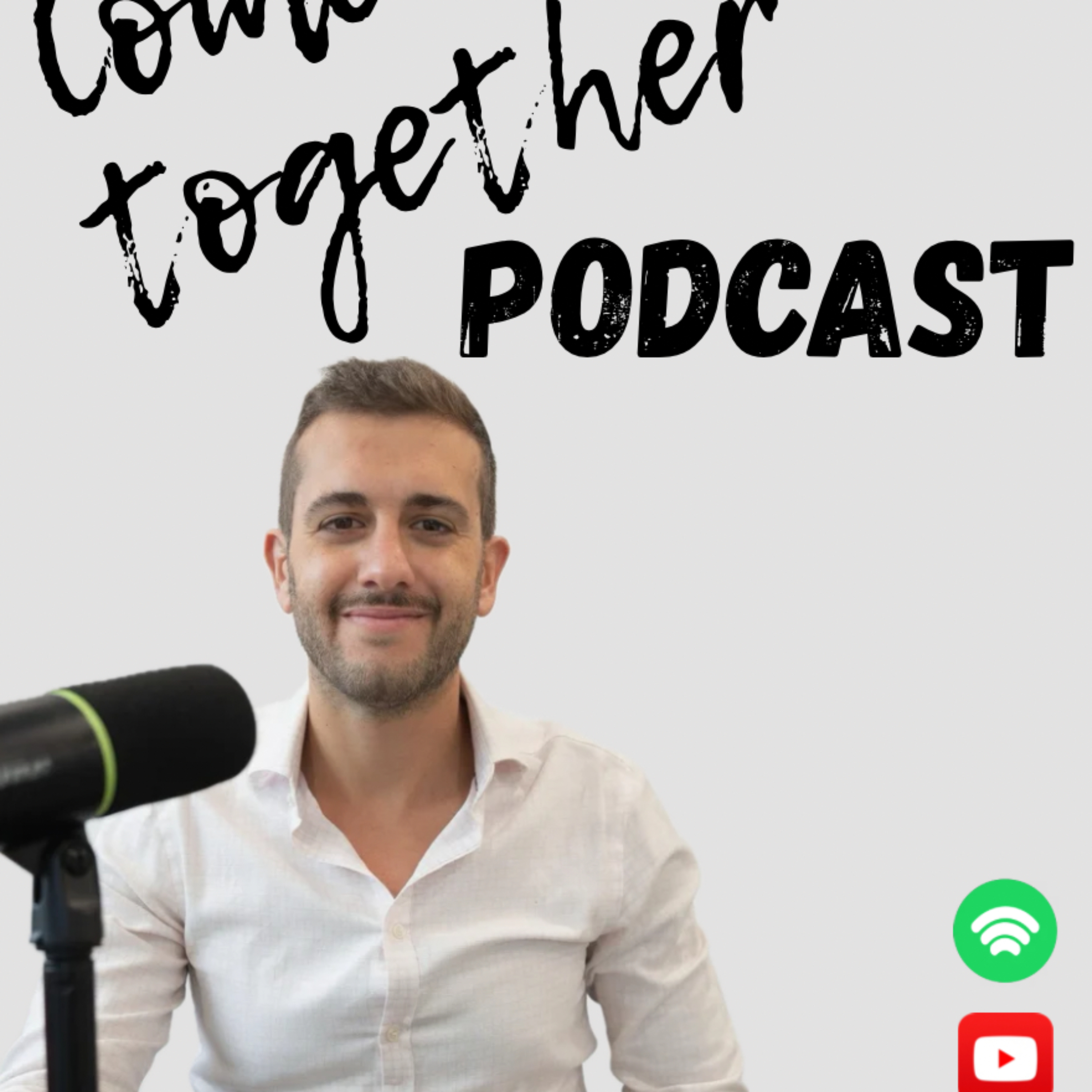


 RSS Feed
Joel High is a music supervisor and producer who has worked on over 200 films, television projects, and video games. He started the company Creative Control Content in 2006 after running the music department for Trimark Pictures, and LionsGate Entertainment.
https://www.creativecontrolent.com
0:01 Welcome to another episode of Come Together. Joe, we're live. Take your time with your drink. I got my coffee over here, got some water shelter. I'm really looking forward to this, man. I'm really looking forward for a number of reasons, but number one is because I'm a music junkie and a movie junkie. And you exist right at the intersection between those worlds, which I'm really, which I'm really excited about. So you're a music supervisor or we're a music supervisor. You do a lot more than that currently.
0:42 Still a music supervisor? Still a music supervisor, among other things, And you run a company called Creative Control Entertainment. That is correct. Can you tell me just briefly I guess then we'll talk, we'll get into it just about the company and about how you got started with this. Sure, I started this many decades ago when I started working at Trimark Pictures, which is is no longer existence, but it was the home of everything from Eve's Bayou to the Leprechaun series and Warlock and other fun, fun, fun movies.
1:22 And so I started in the music department there and within a year of if going into the music department, became the head of the music department and built out their publishing company, built out their record label and supervised all of the films that went through there and also oversaw everything from deliverables in terms of music for acquisitions. You know, everything had to do with music. And then Lionsgate acquired Trimark and in the process acquired me and I became the head of music for Lionsgate and did the same activity there. Or, you know, I supervised almost every single title both in in film and television that came through those doors and started their label, started, you know, built up their publishing catalog and ran that department for a good long while.
2:16 And then in 2006, I decided to go independent and started my own company, Creative Control, which was founded on the idea that I had already, you know, basically been the music department for for two, you know, film studios. And I could do the same for independent film studios who didn't have the wherewithal or need the, the need for a full time music department. And so we, we contract with, with several companies to do their, all their music services.
2:57 And also at the same time, I was, you know, you know, starting my own company and I wanted to explore what more I could do. And we started a live events division where we worked with different usually Canadian groups like like SEMA, Canadian Independent Music Lines and they're publishing groups and you know, factor and all these great, you know, governmental kind of funded entities that, you know, were there to, you know, support the arts. And my pitch was, you know, you guys have such amazing artists up in Canada. Why don't you engage more with the, the community that is putting music and film and television in the United States? And so they basically contracted with me to start like I started Canada House and the Canadian Blast BBQ with them at South by Southwest.
3:53 And you know, did that for several years as well. So we had a very vibrant kind of live kind of event thing where we would host also like lunchtime events at, at like Hotel Cafe here in Los Angeles where we would invite a like the entire like film and television community to come out and see various Canadian artists and, and meet the, the label people and the reps and all that stuff. And so that was fun. We did that for years. And we did, Canada had us host all of their Grammy events for years and, you know, everywhere from like the House of Blues to other kind of venues.
4:34 And then I realized that that was exhausting. So it was much more my, my, my passion was in, you know, telling stories with music. And so I focused much more on like film and television. And early on you can tell me if I'm just rambling, but. No, I'm loving this. I'm going to backtrack at that. When you when you when you finish. And I'm going to go back to the, you know, asking questions from the beginning, but this is great. My my first major client, in fact, one of the the impetus for me not renewing my contract with Lionsgate and started my own company was that I met Tyler Perry and worked on his first movie there, which was Diary of a Mad Black Woman. And we hit it off like gangbusters. And he's a totally independent guy. Firm believer in doing it yourself. And don't like listen to how other people tell you how it's supposed to be done, but do what your gut says. And so I've been with with Tyler for 20 years, ever since his first movie.
5:38 And I've worked on basically every movie he's ever done. And that's 30, maybe some movies and all of his television series that he does. And he currently has the biggest studio on the planet and. He really? Oh yeah. He's got where, where, where, Where's the base it's. In Atlanta. It's in Atlanta television. Studios 12 Gigantic sound stages back lot A A scale model replica of the White House. You know it's like it's amazing. It's astounding when the first time people come out there and see it, they're just like, wow, it's 400 acres. He bought a an old Civil War era army based. And. Converted into, like I said, like the biggest studio on the planet as far as I know. So incredible he's.
6:23 Been my, my main client for the last 20 years and yeah, and it's been great working with him and working with all the other film makers that I, I continue to have a relationship with. Wow, it's awesome. It's awesome. And you got into producing a little bit also, right? Yeah, when I originally started in this industry, I wanted to be a filmmaker, and I started when I was in my teens here in LA working on music videos. You know, everything from like being APA to shooting B roll to, you know, working as assistant director, working at the lighting department and everything like that. And so I originally started working at Trimark in their production department and was kind of encouraged to go into music because there was no opportunities to move up in the production department.
7:17 So my first love was, was making movies, you know, And so I spent many decades doing that by through the music department and I've given like the first starts to a number of huge composers and things like that. But as if I was preceding my career as a music supervisor, I was brought on several films where I my role was outsized for just like the music I was involved in casting I. Was involved in. Helping with the financing, helping with secure distribution, things like that. And so I'm like, I'm producing this in a way. So I started asking for, you know, a producer credit when that kind of a lift and that broad of a scope of work was was required of me.
8:05 And they didn't necessarily have the money to pay me as much as like they should. I said, well, make me a producer, make me a participant in this. And so I was like, who was that first Mario? Alright, man Peoples. Which is like one of the first ones who said, yeah, you're a producer. That's a, that's a pretty common trade off from what I've, from what I've read, right, that if films have a hard time coming up with the money that they'll offer produce or some kind of title. So you can associate, you can associate and leverage it for another job in the future, right? Yeah, that's exactly right. Having a, a track record as a producer is, is something that you can have as a precedent and kind of it, it's unusual for a music supervisor to, to take on that role.
8:49 But I was, you know, very lucky when I was at Trimark. My my boss there, Kenny Winikoff, who was at a production, allowed me to sit in all of the meetings that I wanted. To So I sat in. Marketing meetings, I sat in finance meetings, I sat in acquisitions, distribution meetings and all that kind of stuff just so I could learn. And that. Was kind of our trade off that was she allowed me to participate and learn everything from like how to get a picture bonded to how to work with a, you know, distribution and you know, PNA spends and things like that. So. Incredible. Yeah. I, I, I one of the things that I noticed in your story and that I feel like I've noticed in a lot of people's stories that kind of run their own businesses or start steering their own chips is that you're a, a willingness to kind of put on a lot of hats and like be willing to just learn whatever your whatever's out there, you know, and you know, to be so. Yeah, yeah.
9:46 And you know, because I've noticed that recently, or at least in a corporate world, and I don't know if you have this experience, but jobs and responsibilities are very compartmentalized. And you know, whoever you know, whoever does one thing, that's what they that's the lane they steer in and stay in, you know? But for you to be able to do what you did right, which is to branch off eventually on your owner, to even do a job exceeding all expectations at other companies, you'd have to be willing to go above and beyond, I'd imagine, right? Yeah, it's completely. It's like you, you get what you kind of give into it, what you want to participate in. So it's like at my company, I have a couple of music supervisors who work with me and I basically give them as much responsibility as I have.
10:32 I'm an open book with them. I let them read all the contracts because I want them to learn how I learned. I want to be able to say, hey, I've got to step away for a little bit to deal with this. You're in charge of all this. And they go, yeah, got it. Because they have that experience. And so, you know, I've had a lot of of, you know, we have very strong internship program here where we bring in interns from different universities and give them a very broad kind of like education on how we do this. Because you know, in, in my way of thinking again, I, I am, I come from film production to get into, into music supervision and it's always been in my kind of my kind of view of it is the proper view is that I don't work in the music industry.
11:19 I work in the film industry. So. I am. A a, an employee of a film and my responsibility is the department of music. So where there is like a camera department, there is an electric department. There's like sets and hair and makeup and whoever's in charge of that isn't in charge of everything from budget, schedule, you know, employees, all that kind of stuff. And so when I come on to a movie, I start at the script phase, break it down, do a budget and do like a, a plan of how we're going to do it from very start to distribution and marketing and things like that. And so I. Let the people who come through my shop, including the interns, learn the basics, but then I expose them to whatever they want to go so they can go to recording sessions they can go to like the mix stage, they can go to set if it's allowed and participate in everything we do there. So and because I want them to be able to get a real good education that they're not going to get at school. Yeah, definitely, definitely.
12:19 You learn way more from our experiences, I imagine. I feel like at least for myself and actually when I was talking to a couple of buddies of mine that was telling them how excited I was for this conversation, you know, I mentioned music, music supervisor. I got mixed responses as far as questions for does this music supervisor have to do with the score, like, you know, like the, you know, famous scores from like, John Williams or Hans Zimmer's and that's being composed on the spot. Or whether it's more of like a Guardians of the Galaxy or Scorsese or Tarantino type of acquiring the rights to, you know, different types of songs to be able to play in the film. And you know, and, and you know, so and maybe you could shed some clarity as to like what the responsibilities are for a music supervisor if it goes over both. Yeah, I mean, it's it what it's done, right? It's all of that.
13:09 Because like I said, it's it's the, it's the boring stuff of like, you know, budget and schedule and, and legal clearances and everything like that. But it's also, you know, the exciting stuff about, you know, trying to find a great composer, setting up interviews, you know, and listening to that and recommending them to a director, putting them together, you know, doing like spotting sessions where we watch the film and say, I want I think that you should start here. And I think that this is a big. Action. That you should get a little bit bigger here and and then you should end here and, you know, go through that whole thing with the composer and the director and the producer and be involved in that. And because I've done, you know, close to 300 movies, maybe I don't even remember now, but you know, it's like I have a good experience and a good instinct for that.
13:55 And I let and I and I work with the composers through the whole thing. And at the same time, I'll also be picking songs to play some different places and recommending those to the, the creative people. We don't ever choose anything necessarily because that's not our job. Our job is to give options and to fulfill a film makers vision and help them tell their story with music. And so we recommend different songs and stuff and then it's our job to go after the rights to make sure that we can secure those rights to use it. And then you know that it comes in budget and all that stuff. So what it's done right? It is all of the above and beyond. Like you wouldn't even imagine some of the stuff that we have to do as to music, but can.
14:43 You give me some examples, some details I mean. Please. Sure. Right now we've got a movie coming up that we're in pre production on and it has 23 songs that are all on camera that are written into the script. And so right now I'm securing the rights to use those. I'm looking for somebody who's going to be doing the arrangements on this because that's not my job. I, I hire the people who do this. So we're going to have to do arrangements of them, do demo recordings, set up sessions with the we're going to talk to the management for all the actors who are going to be singing these things to make sure we know what their their, their right pitch, the right key is for these things.
15:32 Because if we do an. Arrangement. We have to make sure that it's in the key that they can sing in most easily. Sure. And then send it over to them. Help them rehearse. Hire vocal coaches if we need to work. With the coach. And the actors hire songwriters if there's not a song that's specifically enumerated in the script. So we'll hire a songwriter, give them a brief of what we want, and then work with a songwriter to do the a demo of that. And then, you know, negotiate those rights, you know, hire musicians to record a track of these things. You know, your own, like listed label, essentially you're your own.
16:13 Yeah. I mean, it's a whole thing. This part is like a record label for this movie, right? Yeah. We have to make sure that we have a pre record done in time so that if we need to, we can play that back on set and we can pantomime, you know, doing this. But most likely we're going to have, you know, some live performance of this stuff. And so I have to be in touch with the assistant directors crews to make sure that I'm in touch with the cast and that they are aware of what we're doing. I have to be in touch with props because we have to make sure that there are functioning instruments. I have to be in touch with hair and makeup. I have to be in touch with casting about setting this up and and making sure everybody's properly contracted and you know, all through it.
16:59 We have to go through all of the different departments to make sure that we're like set up ready to go and everything is there and in place. Then they shoot it and then we take that and we off to the races in post production. So it's. Crazy. And how much of this do you have as a I mean, I'm sure by now, but it's already down to science. But when you were starting, how much of it? No, it's not. You make it up, it's different every time because you don't know who you're going to be necessarily working with and what their capabilities are and and what it's it's going to entail on on for me and my crew. And every movie is different. So it's like I have, you know, best practices of how it's supposed to go.
17:40 But again, you know, we adapt how we do it based on the the situation at hand, so. So you have to be really flexible. You have to be able to fly by the seat of your pants if you know something comes up. And you just got to have how much of this is contacts versus experience? Like, OK, I need someone to call that knows how to deal with this or oh, I've dealt with this. They're one. In the same, they're one in the same, you know? Yeah, that experience that I have of, of how to execute something like this is, is also the experience that I have of who because I can't do any of it. So it's like my experience is like, oh, I know exactly who to call on that one and. Then. Rely on their experience, you know, so it's, it's, it's all one and the same.
18:23 It's like I've been doing this for long enough so that I have, you know, deep contacts and deep resources. And if I don't know that, I know who to call to, who will know somebody who can do something? Right, so. I rely on my team a lot to be able to handle a lot of this stuff and yeah. Awesome. And who who was some what was some inspirational movies or some inspirational directors, actors, people in the industry that got you, you know, started in it that, that, that, that that wanted you down this path, you know, starting down this path because it sounds like you started early enough that you didn't have a ton of commitments that you could have thrown yourself all in, you know, to this. But if you know one thing I've always wanted, you know, I've always had, like, my heart in the entertainment world, and it just felt like you have to really throw everything aside for it. Do you feel that's the case?
19:15 Sometimes I, I worked myself very hard to get to a place where I knew this and I worked long hours and, and I, and I actually, you know, worked in the legal department as well. And that was at a time when there was no like, you know, on computers, there wasn't like cut and paste function. So I had to retype all of these contracts and stuff like that. And it was brutal because I. I was not a somebody who's sitting in front of a keyboard kind of a person. I was like an onset guy. So I had to really lean into it and learn it and, and be devoted to it. And, you know, and that's, you know, good or bad.
19:55 I, it got me to where I am. I don't have my crew. I don't ask them to devote that kind of, of time and energy to what they do. I depend on them getting the job done. But it's like our our rule is like don't call me before 9:00 AM unless it's an emergency. And I won't call you at all unless it's an emergency. And you know, after 6, I don't want to hear from you unless it's an emergency. And I won't call you unless it's an emergency because I want them to be. I don't want to burn them out you. Know because. This is really hard work. When we're deep into it, it's very much like it's all hands on deck. So like this movie that we've got with the 23 songs, you know, it's, it's a lot of work and.
20:39 So and. And we're not even at, we're like 3 weeks out from production and so all the pre production stuff has to go into it. And so then then the real hard stuff of being on set happens. And so I want them to not have burned out by the time we get to set. Yeah, yeah, yeah. It's so funny. It's so funny you say that. I lived in Seattle for a year and one of my roommates while I was living there got a job with Microsoft and, you know, there's a lot of big tech companies around there. And one thing that a lot of young people had that said, you know, in common, you know, one common theme was that the companies that they work for Microsoft, Facebook, Airbnb, you know, whatever they want their employees to be happy, you know, and their and their hours were generally like what you said, nine to five, nine to six, you know, pretty flexible. If you have anything going on, take your time. Exactly.
21:27 And he said, because, but when we have projects, you know, we got, we, you know, we, we're the best, we're the, we're the best at what we do, you know. And so, you know, they, they, so I, I, I, I think that's a good mentality because I grew up in the New York world where it was almost like a matter of like pride. How many hours you worked that week, you know, Oh, I worked 70. That's the way I was when. I started, I was like, I was in the office for 10 hours doing this stuff and they're like, oh, cool. I guess, yeah, yeah, it's a, it's a, it's a mentality. And I, and I, I hear that because I think people equate busyness with productivity, you know, so, oh, you're spending X amount of time busy, you must be really, really productive, you know, and yeah, starting to work in the, starting to starting to do sales. I've learned the opposite, you know, that the amount of time that you spend actually working generally does not necessarily correlate with how productive you're being while you're while you're there.
22:21 You know, that's really, really cool. So what, what when, when the when, when the Tristar got acquired by Lionsgate. I'm I'm sure that's a pretty significant cultural switch in terms of the size of the studio, what you had, you know, the type of management that you had hand holding. Sort of, yeah. I mean, Lionsgate was not very big. It was just they had a lot of money and some leadership that was that was very aggressive. So they were actually smaller than than Trimark was. Oh yeah. Staff and, and production and all that stuff. And they acquired Trimark because of that they library, but they also wanted the infrastructure because it was, it was not a huge production house like it is now.
23:10 Like, I think like, like American Psycho was one of their first movies and stuff. And they were not like a, a hugely productive entity. They were Canadian company. As a matter of fact, that was mostly about acquisitions and distribution. And they acquired Trimark for the library and for the infrastructure. And so it wasn't a big shift and it was very nerve racking, but you know, it's like I'd proven myself at, at at Trimark and what I had built basically single handedly. And so when it they came and they were like doing like these these nerve wracking kind of interviews about like, you know, tell us what you do and what. Value do you bring?
23:54 To the company kind of stuff. I was like, let's take up a seat, let's go. Yeah, you. Know and I told them all the stuff that I had built and and how about like the the revenue that comes from music publishing pays for this and makes sure that this is actually a not just a a straight out expense, but it is an investment in and what you're going to have is an asset and stuff and they're. Like, yeah, yeah, it's really cool. Did you do you ever listen to the podcast The Town with Matt Bellamy? It's it's like a business oriented Hollywood podcast. Half an hour 2-3 times a week. It's awesome. He's great, but no, not anything. Well, either way, it's like I.
24:35 Don't. I don't watch the studio, you know. Oh, yes, yes, yes, yes. Right. I'm like, no. Right, so they stay away from they stay away from their opinions on things. They more report on the business of what's going on. For example, you know, this Leo movie that just opened this weekend, is it a hit or not? You know, and they discussed the potential down the line business opportunities and, and OK, well, if open to 30, then what does it mean down the run and what does it mean domestic versus international? So it's cool to be able to explain because those concepts have like didn't mean anything to me. And now I mean, you know, I mean, the way I, the way I consume entertainment is totally different. You know, when I kind of have a little bit more of that, of that concept in my mind, it's really cool. So how did how, how does, for example, again, Guardians of the Galaxy, and maybe you don't know the answer to this, but I'm sure with your experience, you know something about it that Disney repackages their, you know, the collection of songs that guardians put on in the movie and they sell it on vinyl and on Spotify.
25:36 They put on Spotify and everything Disney makes the money from that or the original artist some some of the money. So. It's like when you have like a soundtrack that is is like on Spotify of pre-existing songs. It's a playlist. It's a playlist. It's. Almost impossible for them to monetize something like that as they do some sort of a deal with with like the artist that says, you know, we're going to put it on this playlist and it's going to boost your sales by this and we want a participation in it, which they may do, I don't know. OK. But generally speaking, it's a playlist. It's like if I made a playlist and and put it on the world and it's like, great, you know? And I guess that would be incentive for the families or for the for the. Yeah, they may.
26:18 Do that. And that's, that's kind of like, you know, they may do that and I don't know, but it is, it is a marketing thing for for the most part, like we have like for beauty and black, which is a show that I supervised with Leah Avraham. And it's all we they Netflix puts out a playlist of like the songs that we've used in in that scene. Right. And then they, they, it's just there, but it's like the audience wants it. So it drives, it drives people to go to the, the playlist and, and do the show. But we also have a, a, a soundtrack that's digital for the show. That is the score from Wow Jones and Jimmy James. That is phenomenal.
27:03 All their, their, their score for the show. And that one we do participate in because we own that music. Right. When Disney puts out like, you know, a Guardians of the Galaxy as a mixtape, like a physical, it's just like, it's just like the old school, you know, compilation album. Yeah, yeah. Final, because that's a physical good that you can cut out a royalty to go to these artists, but then the over is going to go to to Disney, whoever releases it. I see, I see. And how difficult is it to kind of get these rights, You know, like, I mean, if I, I and I, you know, I know not not very hard most of the time. So to put to rights on our record. No, I'm so sorry to it writes for songs to use in a in a film.
27:45 Oh. It's it's totally dependent on billions of factors. You know, there's like there's libraries you can go to where you're like, here's $5, can I use the song? And they were like, yeah, go, please. Yeah, yeah. Or there's, you know, if you want to go and and put like, you know, ACDC in your movie, Yeah, you know. Get ready to write 7 fucking. Figures. Yeah, I heard about that film. There's other artists, you know, it's like, they're like, no. Not for. Any circumstance will you be able to use this song unless you are related to one of the people on the record, you know, kind of a thing It's like, and it's again, it depends on the deal that these artists have with the with the labels, the deal with their publishing companies, who the publishing companies and labels are, their responsiveness.
28:31 All of these things are factors that that which is, you know, one of the skills that we develop music supervisors. Yeah. And I guess that's why, I guess it's the value of having an in house kind of program or an in house label or record or whatever because you you have your own selection of music to pick from. No. Not really. I mean we do some of that. I mean like there is no like there like Sony Pictures does not have a special deal with Sony Records. Oh no, does not No. I mean, they can't because they can walk over to their building and be. Like, yeah. Let's do this and they can be like, no, we're a different revenue stream and we've got to make sure that our, you know, quarterly numbers. Are.
29:13 Yeah, sure. And. We don't care about what your numbers are, you know, so it's not always that and it's, you know, it's also like anti monopoly kind of stuff and all that. Kind of thing. So it's. You know, they used to say that you cannot have like the label on the same campus as the film studio and the publishing company had to be at a different campus as well. Like physically could not be at the same place. Those rules are not the same anymore. But you know, that's how how kind of like firewall they were because again, an artist doesn't want to sign with the label who's going to go? Yeah, yeah, you can totally have this song for like $5.00 because it's. Going to have the. Bottom line of the of the film and stuff because the artist would be like what?
29:56 Yeah. That's my money. Right. But I would, I would imagine if I was an artist, right? And you were a studio and you said, hey man, I'm Sony, I'm Tristar, you know, I'm Lionsgate. I'm about to put your movie, your song in Iron Claw with Zac Efron, right? I don't have a lot of money budgeted for this, but this could be really big for your career, you know? What do you say about getting your? What about getting this on here? It's not fair, you know, I mean, it's, it's totally cut throat and, and, and a lie you. Know. So I I never do that. You never do that, but. We have Beauty in the Black, which is #1 Series in Netflix #1 Series on all streamers, right? Huge, huge 1.3 billion people watched it, but hours were watched in a week. And so we could say, hey, you know, we're going to, we're going to make you famous.
30:46 You're going to get into this thing and you should pay us to be in Beauty in Black. But the philosophy we have is that music matters and music should have value and should be paid. We don't have a lot of money in Beauty in Black for, for these licenses and we use a ton of music. And so we tell them upfront and like, we'll, we've only got this much and that's what we're paying other people as well. Just so you know, we're not like, you know, just undervaluing you. We're undervaluing everybody. Right. And so you can say no, you can just say no and don't want to do it. We're not going to promise you that you're going to have like, you know, this many TikTok, you know, watchers and, or any of that shit, because we can't control that and it's a lie. Well.
31:31 You can't control it. You, you definitely can't control it. But I as an art I, I if I was an artist, I would imagine. That I would let you do that I'm not going to talk anybody into. It I gotcha. Promises like that if you say, Oh my God, I love beauty in black. I have to be. I mean, we, we, we did the clearances for, for several seasons of, of the game FIFA, right? And the money they paid for, for licensing on FIFA is, is miniscule to like what like a big film will pay and all that kind of stuff. But guaranteed if you, if FIFA calls up one of these artists who's kind of like breaking through and stuff and said, we want to put you in FIFA, they are like stoked. They are so stoked.
32:12 They're like, Oh my God, I'm a FIFA artist now. And. It's like it's. Like bragging rights to the entire world because everybody plays this and then they get super excited and they can literally tell everybody they know I'm in FIFA and it's like, it totally makes it happen. People are like absolutely, absolutely, we'll do the deal, you know, and they'll do it for not very much money, but we do the same deal with everybody unless it's like a big superstar that we want to do. But they tend to want to go for the up and coming, you know, artists out of Nigeria and stuff. So it's like they want to blow these guys up too, so. It's awesome. It's really cool judgment. Calls based on this and and and you know, anybody who tells you that you should do this because you're going to get famous and you know, we're bigger than anything is a lie because that could be true, but it should be coming from a place where music has value and you should be paid something fair.
33:05 Yeah, I totally agree with that. I totally agree with that. I was thinking actually more from the other side than the studios, the studio side in that case. That's all. That's what I was asking about. But from the studio side I totally agree with you that in the sense like the moral thing to do I would imagine, or the fair thing. To agree come at me and my people constantly. I bet. My music in your movie. I please put my music in your movie. Put it in. I love Tyler Perry. I want to be in this thing. Whatever. Let's do it. And then I don't make a decision based on on, you know, somebody's desire to get in a Tyler Perry movie. I make a decision on what's best for the movie and tells the story. Yeah, yeah, definitely, definitely. How different is get is the gaming world and the television world and the and the film world from one another when it comes to this kind of to to the music?
33:49 It's subtle. It's subtle. I mean, films are obviously much more longer stretch of time that you're able to work on something. It's much more of a of a slower pace. And they tend to, you know, except for like an independent film, they tend to have a little bit bigger budgets. And so you could make decisions. You can watch something, play it back and, and going forward and see if it really works and all that kind of stuff. Whereas in television, again going back to the model Beauty in Black, we those are we did 16-1 hour episodes the first and second season and we were literally given a week to do 2 episodes.
34:32 Wow. So and that was, you know, 8 weeks, 16 episodes, no time to think, put the music in, make sure we would pre clear a lot of stuff too. So just because we didn't have the flexibility of like wanting to put something in and then waiting on, you know, negotiations, we would pre negotiate, you know, some of these fees and be like, drop it in, let's go. And then we tell them. If it was used or not, you know, that kind of thing. It was totally different pace that that's an extreme version. Most TV series are going to have a lot more time to be able to do that, but it's still a lot faster than a film. And then games on the other hand, it is a long time that they are in development and all these things and thinking about these things and and be able to play songs and work with score. And it's very much more involved because you have to be have the score be adaptable to like different scenarios and it changes whenever the player decides that they're going to do something different, like if all. Of a sudden, they're going to.
35:32 Pull out a sword and attack something right in the middle of like this beautiful Meadow or something like that. You have to go from Meadow music to metal music, you know? And be able. To seamlessly transition. I made that one up fine. Yeah, let's close these guys. It's great. Between the the score as part of the, the, the the writing process, they have to be able to make it so that that the the songs don't or the music doesn't like bump against each other and make the the gameplay feel wrong. You know what I mean? Yeah. And also one of the the big things about games is it's the the only one of those that's not a fixed medium. So whereas like a film, you finish it, you release it and it's done right.
36:18 TV shows, same thing, release it, it's done right. Games you can go and and you know like with like FIFA or something like that if you're playing and some reason like some one of the players that's in one of the teams becomes like a huge superstar, you can go and adapt it and have like you know downloads that'll like change some of the music and see like if you want to play this player here's a modular kind of thing that you can do that this is this player's favorite songs and and change it as it goes so. Yeah, wow. It's probably, it's bigger projects than I imagine, right, Because you have to have a lot, you have to be able to adapt to, you have to have the potential response to a lot of different scenarios and they all have to be pre.
37:02 I mean, that's The thing is. It's there's, you know, there's, there's like, you know, giant games like, you know, like. Like even the Mario theme song is is classic or whatever. Yeah, but I mean. Like then there's also like these, you know, portable, you know, downloadable games that are made in somebody's garage, you know? And. It yeah, it's still like, you know, it's, it's a different thing of, of scope, but you know, but the same philosophy on how you craft it. I see, I see, I see. And Which one do you enjoy the most working with? Working on. I like. Films you like films I. Like films. It's yeah, where I came up, where I grew up, you know? Yeah, so cool.
37:47 So you get a script and in the script it has, you know, all the lines, it's got the dialogue. And then it does it usually say in the script, you know, in the scene instructions or whatever it's called, you know, XY and Z song begins to play or. Sometimes, I mean, like with with Tyler Perry, he'll sometimes put in songs in the script. And because he is the writer, the director and the producer and the star, those will probably stay, right. In other cases, when you're doing that, the writer sells the script, hands it off, it says, you know, the band starts to perform Stairway to Heaven and then the producer sees that and goes, oh, no, they don't. They're not paying for a Stairway to Heaven. And so it's gone.
38:31 You know, it could be written into the script, but again, those are just like, you know, that kind of stuff is just a rough guide because when it gets into production, you know, even if somebody's singing fly, fly me to the moon in, in the in the script, the director goes, I hate that song. I want them to be singing, you know, something totally different. And then, OK, they're singing something totally different. Or if like it's written in like the the end titles role and then you hear, you know, ACDC and then the director's like, no, that's not what I want. I want it to be score. And so now it's score. So it could be written in there, but it doesn't mean that it's, it's totally, absolutely set in stone. Like my obligation is to then, you know, give recommendations and say if you use Stairway to Heaven, it's going to be 7 figures. And if you're ready to pay for that, I'll go and secure those rights for you.
39:21 Or try, you know, yeah. But so that would be like, you know, pre production, try and get those rights. What it says in the script, it'd be literal about it. But also be smart and give recommendations saying this is going to be really expensive. Here's some other options recommended if you like Led Zeppelin kind of stuff. Yeah, I gotcha. I gotcha. And how much what you recommended, you recommended similar types of, by the way, it's kind of fun. I feel like it's like sharing a song with a friend and like, Oh yeah, if you like this, I'll turn you on to that, you know? That's our job. It's like who's the cheap version of this? It's really cool. And by the way, there are a lot of them out there. I've noticed at least, you know, like all my friends, I, I listen to a lot of different genres of music and all my friends and I have like different friends compartmentalised for each genre. And you know, and each time I'll show them something new, they'll come back with something similar or better within minutes that I've never heard of.
40:14 And I just can't, I, I, it's hard to keep track of everything, you know, I mean, it's really, really cool. So you said that you got to go into the in person? Industry a lot in person entertainment a lot or events rather. I'm sorry, in person livestock, yes. Has that rebounded? Is that industry kind of gone? Is that back? Not at all. I mean it's. Different, it's different. I think that, you know, with streaming and everything that being so readily available and it's and it seems so, you know, it's so cheap to just stream a song and listen to it. That you. Know live is is very vibrant you know it's it's it's it's come back in a lot of ways that's why you know like vinyl is come back it's. Because.
40:59 You want something that has that has value, you know, and, and experience is something that's going to have value, a live kind of event and stuff like that. It's not, it's not perfect. The industry is not, you know, always going to be like, you know, blowing up, but it's it is one something that is still like actually I think has more value now. And so, you know, people want an experience, they want to hold the physical thing. They don't. Want to just? Be like, Oh yeah, that song, Here you go. Boom, here it is. I mean, like when I grew up, sorry. I used to call up KXOU was the local college radio station. And when I was in, in junior high and high school, we'd stay up until midnight on a Saturday. And Stella on straight pop with straight pop was the DJ then. And she still is.
41:51 And she would play all the punk rock stuff. And so we you could call her, you'd physically just pick up the phone, call Stella and be like, Stella, can you play TV Party by Black Flag? And she's like, yeah, sure. Hold on a second. Talk to you. Later, Joel, you know, with our tape recorder, you know, I'm play, record, pause, and when it comes on, we'd take the pause button off and we'd record it. It's so experience and it was. Because we didn't have digital, we didn't have things that this and I couldn't afford to go out and buy all the records so. I had one of my buddies from college and my former roommate Sam, who actually, he moved me to Seattle. He's a Brewer, but he's also a musician, a beer Brewer rather. And, and he used to run the radio station in Binghamton, upstate New York for the college.
42:38 And I'd TuneIn from wherever I was, you know, whenever his, it was his hour and I'd always give him a call and I'd always, you know, recommend a couple of songs and he'd always laugh and you know, and then, you know, it would be different time slots, you know, so like 1 semester when he first started, he had like the three to three to four, 3 to 5:00 AM slot. And you would be coming back from a party and like, we'd just see him getting up and getting ready to get out of the, you know, walk out of his apartment. And it was, and he had a host room of records. And he would, and I'd ask him about the song, he'd go to the room and he'd pick out the record and pop it on. And he invited me to a couple of the shows and I came down and it's, it's, it's like a music, it's a music junkie heaven. It's so cool.
43:20 It's so much fun to be in those kind of environments. I tell you the the, the Loyola Marymount station because it's, it's, it's not an algorithm. It's not going to play me what I want to hear it's. Going to play. Whatever these people play, you know, like I can't control it and I'll be experiencing something new. And I listen to KZSC up in Santa Cruz. I listen to that online. I listen to like tons of like college radio stations because I always hear something that I didn't expect or didn't know about or whatever. And it's but I get so much of my inspiration from that still. I was going to say how much? What do you what do you notice about music today versus music while you're growing up? I guess you listened to punk rock growing up, but everything. But yeah, everything. So what do you think of music today? That was.
44:03 My mainstay I was, I was a punk kid here in LA. But music today versus it's easier to make. And so. There's like very low threshold to be able to create music. Now people just get out their garage band and make it, you know, but that means that there's it's just flooded with stuff on on online and stuff like that. So it's, it's kind of hard to filter through and kind of find something that's a gem. I that's why I listen to like the radio. That's why I like, I talk to friends about what it is so that I don't have to sit there and, and be flooded with because I get, I get, I get so many emails every morning I wake up and literally I've got emails from every single artist that you can imagine of like listen to this. And by and large, unless it's like personalized to me and knows they know what I'm working on, I spend my morning just going delete, delete, delete, delete. Oh my man, listen to this stuff.
44:59 Yeah, because you don't. Yeah, it's. Like I have to just get through and delete all the stuff unless somebody is like, Oh my God, I love Beauty in Black. And yeah, I know your season 3 is going to come up. This would be great. I'm a Chicago area hip hop artist and blah, blah, blah. And I'm like, yes, I will listen. To that right, right, right. So you so, so you got to have some kind of something that makes you stand out and also relevant to the projects you're working on if if you're trying to get your attention. Yeah, yeah, yeah, that's a e-mail. First of all, sorry. Don't call me dear music supervisor. Right, yeah, I've got a couple of those emails also, like dear come together podcasts and I'm like yes, my name is all over the website. You couldn't take 5 minutes to figure out you know what my first name is, then you know, whatever the.
45:43 Ones the emails that are like dear Joel. I really loved episode one O 6 in Beauty and Black where you used this song and my song is very similar to that. I'm like, oh, OK, OK. You are. So talented Joel, the music that you put in your shows blows me away every time. It's like you're reading my mind. Oh, yeah, Oh, yeah. My first podcast that I the way I got my first guest on my podcast was sending an e-mail because I, I actually read his book, a gentleman named Ben Fritz. He wrote a book about Hollywood. He's a Wall Street Journal writer for a while and and my first e-mail I sent him was introduction from a fan and podcast request, you know, and I told him how much I loved his book.
46:25 And the first thing he said to me was compliments. We'll get you everywhere. Let's have a talk. Let's have a conversation, you know, let's talk about it. You got a hold of me too. Yeah, it is to say I, I, I, I, I, I'm thinking, listen, this is salesman, you know, I mean, being a being a one man show, I'm sure, you know, is, is a lot of sales and a lot of relationships and a lot of a lot of following up, you know, but it's, but that's actually go, you know, full circle back to the live events kind of thing. I really feel like that's what the value of it, you know, is. And it's hard to kind of put a dollar value on, you know, relationships and networking and stuff like that. And I know that during COVID, a lot of companies felt like, holy cow, look how much money we're saving by not doing corporate dinners or not going to drinks anymore as a team and not doing this. But then everything kind of felt cold and dead, you know, like, you know, and like even this, I mean, how much, how much fun would it be if we had, you know, if we were able to sit together with a cup of coffee or a beer in a studio? And, you know, I mean, this is great, you know, but ideally, you know, the ideal world, I'd fly you out, have you come down and, you know, and sit down with you because that's the ideal experience.
47:28 You know, we're working on it, man. Well. I mean, look, I, I mean for, for my company, like when COVID hit, I had, you know, another supervisor working for me and like 3 coordinators and stuff at the time. And we would get together like every day and go over stuff. And then COVID and we're all apart. And I feel like they're, what I, the way I came up to was like, you know, the supervisors and the labels and the publishers would all get together and go someplace they don't, they would invite us out to see a show and we'd get together and get to know each other. And that just went out the door. So it's like a lot of the people who were working for me at the time did not get the experience of, of being able to, to mix it up with the people that we work with and get to know each other. And I think the industry really suffered because of it. I think that people lost some of the big skills and some of the connections that are important because my job is so much easier because I'm, you know, work friends with so many people. I've.
48:25 Been doing this so long, it's like, you know, it's like I was an assistant the same time as the CEO for Warner Chapel was an assistant. And so she's a dear friend of mine because we went back and we went to shows together and stuff. And now she's like big mucky muck. And it's the same thing. You know, it's like that's how you make these relationships where I or I can pick up the phone and get like Doctor Dre's lawyer on the phone because I worked with them like, you know, 20 years ago. And so it was like that. Relationship and I always make sure that my, my, that my interactions with people are honest and, you know, no games and, and, you know, friendly and, and, you know, really like to say thank you to people because you never know down the road where you're going to need to pick up the phone and ask for a favour or something like that. And we do it all.
49:17 The time and it's like, like my, the people who work for me are able to do their jobs really well and, you know, do clearances and do all that stuff. But if something's going a little bit sideways, like we just had a clearance for some something from Tupac and it was going really slowly, really slowly. And we were getting responses because the the state wasn't taking it seriously and stuff. And so I got on the phone and I said, can you make this a priority? And they said, yeah, it was done. By the way, a lot of my problems in business, in life, have been resolved with a phone call instead of an e-mail or a text. So many issues have been resolved by picking up the phone and saying, what's the story? Dead skill?
50:00 What's the? Deal. Yeah, like the yeah, by the way, I I also hear it because it's not it's not entirely pleasant to call someone and say AI need something or BI don't have news that you necessarily want to hear or maybe I'm bothering you out of the blue or whatever it is. Like I, I, I do understand that level of it, but well, you know, when I started in sales, I would like, I work with my, I, I, it's a family business. I work with my dad. I used to literally, we worked 2 desks apart from one another, you know, across, and every time I phoned a ring with a potential customer, I would run around, give the phone to my dad and answer the phone for me, you know, and, and give it to him. And then eventually I was like, eventually I'd realized, what's the worst that can happen? I'll just say, I don't know. I'll, I'll find out, I'll get your number, I'll call you back, you know, and I started doing that and then all of a sudden I realized there's nothing to be afraid of, you know, and it took, for it took, it took probably a year for me to, you know, really get that skill.
50:50 So I encourage anyone listening or anyone in general to really work on that, work on that. Too is that, you know, I'm a big fan of fake it till you make it, you know, and say, yes, you could do anything and everything like that because that's how I got here. Like, like I, you know, you know, I didn't have the skill sets in a lot of ways and to get jobs and stuff at the same time when I was at at the head of music for Trimark when I was first started, I had a year in my under my belt of actually doing this industry. So I would get on the phone with like the heads of other music departments at big studios and be like, can I take it to lunch? Because I don't know what the hell I'm doing. And I would love to hear it's because none of it's online back. Then because there.
51:31 Wasn't that kind of a thing? This was back when we had to fax requests and stuff. Sure, high pitched beeps I. Mean the relationships that I formed by telling, being honest with these, these other heads of studios was great because they were like, Oh, yeah, completely. Come on, let's go. And I'll, I'll give tell you anything you need to do because there's, you know, there's no reason not to in this community that I'm in is very much like a generous kind of like, you know, it's like if I don't get a gig and I find out that one of my peers got the job that I didn't get, I'd be like, oh, good choice. That's actually great. You know, they're actually wonderful. I think that's actually a better choice than than hiring me. So it's kind of like that kind of a community is is hard to find and I'm really grateful for it.
52:14 Yeah, Yeah, It's a it's, it's, it's really, really cool. It's really special. I what do you think that the industry has changed so dramatically that you would recommend to someone young and starting out in it that they would follow the kind of path that you did, which was try to get into, you know, a place where as many hats as possible be OK with, you know, taking on more responsibilities than you thought you signed up for and that'll work out for you. Or what kind of direction do you think people need to take these days to kind of make it? Really, it's so hard to get into the industry. My first instruction is if you're at at a university, do internships.
52:56 That's how you start meeting everybody and you Start learning the craft, you know. And then when it comes time to, when it comes time to find a job, take anything. Take anything. Anything. Yeah, basically, unless it's like terrible, terrible work and terrible work environment. Take anything because you don't know what path you're going to go down to. And once you have a job, it's easier than to find other things, make the connections while you're working and then find another job. You know, I mean, I, I, I'm a big fan of loyalty and, and sticking with it and everything like that. But with like my people, I'm, I'm like, if you're finding that you have, are like there's opportunities for you, tell me about it first.
53:39 If you're like looking at like going at in studio or something like that and like they're courting you, tell me right off the bat like #1 be honest with me. Don't surprise me about this stuff because in return I will give you the best letter of recommendation that you will ever, ever get. And I will say I love working with this person at my company, but this opportunity of being able to go over to the studio and work for you is something that I cannot tell them not to take. And I. I totally support and that's the exchange that we have is that if they need to go somewhere else and they have a great opportunity, they tell me early and I say, yeah, go, you know, and it's worked out for all of us. And so I've got a lot of people who used to work for me are up in high level positions.
54:20 So it's like, I don't know what that wasn't what what you asked, but. No, it is. It's what you would have meant. Take any. Job. Take any job because you don't know where that's going to lead. And it could lead to your because I didn't know I was going to be a music supervisor because I didn't know that was a job. But then I ended up there and I've been doing it for 30 years. So you just don't know where it's going to take you. And if you are too picky and finicky and think that you should be the head of XYZ right off the bat of the gates, you're insane. So. Be humble, take whatever position you get. Entertainment business is tough. It doesn't always pay the best. And I always say that you either got to be dumb or crazy to want to do it. Most of them are kind of crazy because they love film, television, music, all that stuff. And that's what they want to do.
55:08 And so that's, that's, that's it, Go go for it. And if you're dumb, OK, go for it too. Good luck. Yeah. And it's interesting because I only, I always imagined, you know, when I said I want to work in Hollywood, I'm like, I got to work for Disney, like period. You know, like that's the company. But as I like, started diving into this, I realized that there's tons of small mom and pop businesses, that there's a whole ecosystem of Hollywood or entertainment rather that exists when it ended, you know, within it of itself. And so, yeah, yeah, I don't. Know anybody that woke up like when they were a kid and we're like, I want to be a Foley artist.
55:50 I want to do footsteps for elevation, you know, but it's like a great job. It's really like everyone of you go to these sound stages. I take like my interns when they come in, I'm like, we're going to go to the Foley stage because it'll blow you away. We go to the Foley stage and they've got like 90 different kinds of shoes and broccoli and celery to make sounds and like glass to break. And it's, it's like that's what they do is they, they make sound effects all day long. And I'm like. That. So is that stuff usually in house or hired out, that kind of stuff? There's people who are freelance. A lot of it is like, it's at a sound house. Like a sound supervisor is going to be like, we'll mix it here and we'll, you know, do all the editing here and we'll do our Foley here and we'll have like Walla, which is like, you know, background people. Like if you're in a restaurant, people are there. Literally it's like people in a room going, how are you doing? I'm doing fine.
56:40 I'm glad to see you. Like a whole bunch of them all at once doing that. And that's a, that's a job. Yeah. It's like background Walla, you know, it's like, and that all takes place under like, you know, usually one like sound supervisor is going to do that and take care of all those details. And then I'm the music guy, so I'm the enemy. So you're the enemy because you're because you're contrasting their sounds. Yes. That's right, it's. It's, it's, it's music, dialogue and effects. Those are the, the three things that go into a mix and they're all kind of competing. And of course, I'm like maybe turn down some of those effects because you can't say turn down the dialogue because dialogue, dialogue, all those. Things I I was, I showed my high school class, I teach high school English part time.
57:24 And one assign, you know, and one is, yeah, you got to, you got to pause it for a minute. I, no, I got, I think I got to get going. I think I have something backing into this. I didn't know how long this was supposed to be. But no problem. No problem. OK, well, let's let's call it here, Joe. Thank you. So. Much if you if you had another question, I have time for a second because they're they're going to be calling me and that's why I know I have to jump but. OK, so I'll cut that part out. Well, I didn't even think I had a question. I was going to say that I, I, I showed them the the Toy Story and I was explaining to them. I was showing them the background stuff in the in. I was like everything was CGI. It started with a blank movie screen, you know, and sorry, blank computer screen. I was like every shadow that you see, every ripple, every ray of sunshine that could that you know that that's in this shot. You think it's intentional, right? It's put there every single time that you that you know that you have this background behind me and that light bulb is over there and you see the reflection off the off the off the window, you know, like that was that was black. Yeah, same thing with sound.
58:27 You know, it's like you have production sound that's recorded when you shoot it, but almost everything else, including the music, is all created intentionally. And it's like, we're on the stage and we're like, you know, a car peels out in the driveway and you're like, I don't like that. Doesn't sound right. They're like, oh, let me try another one. And you try like all these different cars peeing up, you find the right one. Amazing footsteps. Footsteps are all created. You know, every time it'll, it'll blow you away when you watch movies and you're like, like people like talking off screen is all created because somebody's like, I need somebody to say this. And you're like, OK, there we go. Now you got it. So cool. So cool. Yeah. And then you you hear, you hear $200 million budgets and you're like, what could that possibly go to?
59:10 And then you hear, then you think about everything that we're talking about and you're like, oh, now I see where it all goes to. Makes a ton of sense. Joe, I really appreciate your time. This is so this is so much fun. This is such a pleasure. I'm really so happy you got to connect and thank you so much for the opportunity and for being great. This is this is awesome conversation. I really appreciate it. Well. And if you celebrate, which I think you do, have an easy fast. Thank you very much. I do and I will I'll do my best to at least I'm pretty good about that and and I look to I hope I hope to be in touch. This is this is really such a pleasure. Thank you so much, Joe. Absolutely. You reach out anytime. All right, take care. Have a great one. Bye. Bye now. Bye. Music.