Health Series 4: Tristan Steinberger / Gable Pain Clinic



 RSS Feed
Dr. Tristan Steinberger is a board certified anesthesiologist fellowship trained chronic pain specialist. He is the owner and founder of Gables Pain in Coral Gables, Florida
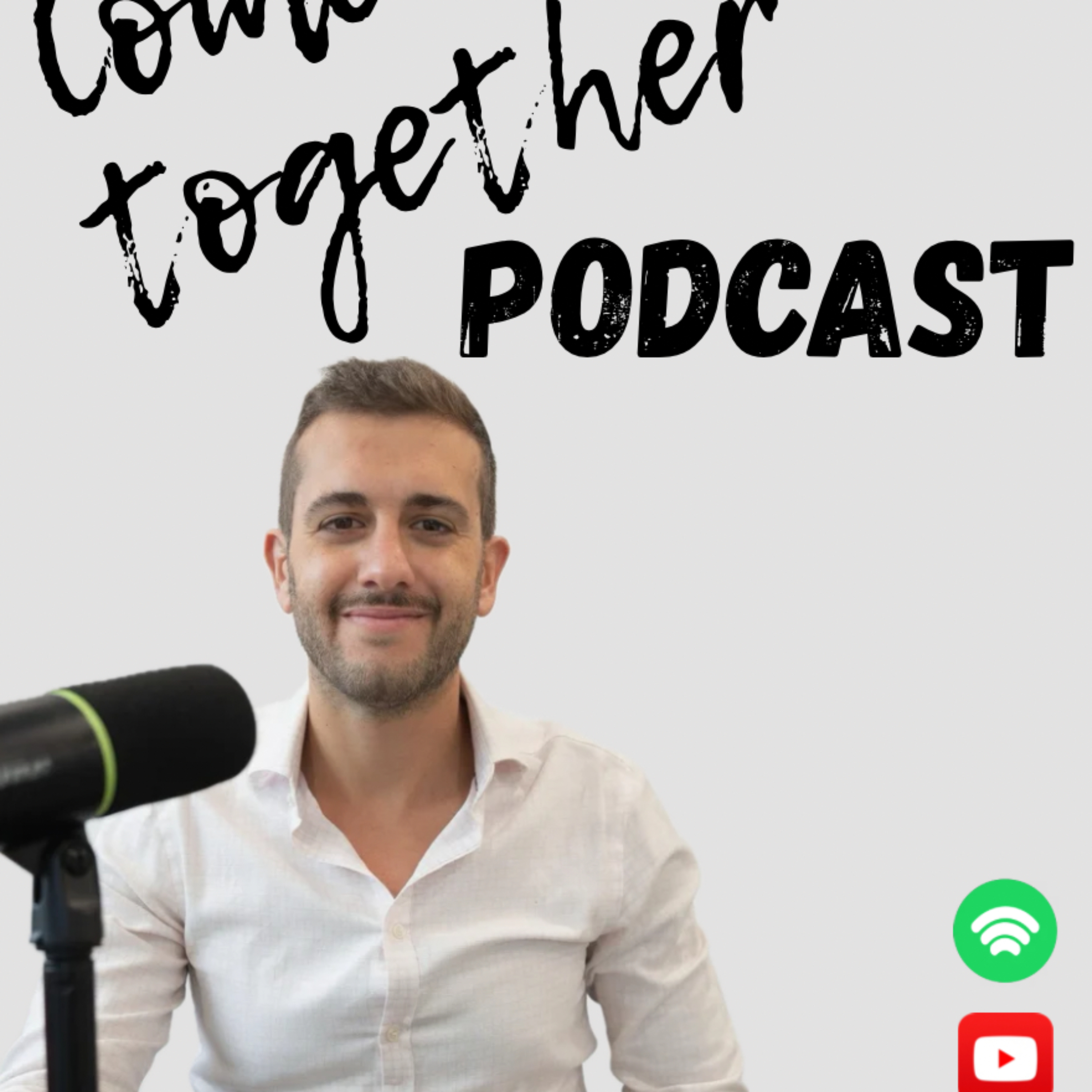
0:01 Welcome to another episode of Come Together and we're rolling Doctor Steinberger, how we doing? Welcome. Welcome to having me, of course. And of course, so you know, I usually tell people to tell me about themselves, but I'm actually, I was really excited when I came. So you reached out to me originally about a ultrasound machine. And then I was like, hey, man, Well, I said I went on your website to just check if you were legit, especially to using Machineo. And I was like, well, is this guy a real guy? And I saw that you were a board certified anesthesiologist and that you, but your practice is generally in kind of health related chronic, chronic health and recovery. Yeah.
0:56 So I'm really excited to hear about your trip and, and to learn about the, the, you know, the, the stuff that you practice, the medicine that you practice. Yeah, well, yes, on my board certified anesthesiologist. And then I did a one year pain fellowship and chronic pain afterwards. And so I'm a chronic pain specialist. So I do run a a pain clinic in South Florida. I know that can bring up some bad connotations in South Florida, but it is a very specialty. Back pain is probably second most common medical issue. And so it's a very common issue, hard to treat, but yeah, that's what I do.
1:39 So why? Why do you say it has a negative connotation in South Florida? Especially in South Florida, there's a lot of Medicare, Medicaid fraud, a lot of opioids that are used not responsibly. That really all started in Ohio. But South Florida's kind of just exacerbated the issue. There's a lot of, they're called pill mills. Patients come in with pain and they just give them scripts of Percocets or Dilaudid and doctors go to jail for life for this stuff. And but it's very common. It's easy money and but ultimately it doesn't help the patient. I had a friend of mine that was on the podcast the other week and the way I met him was he was, he was a big advocate for ibogaine and he said, and he told me that he, he told me that he played a lot of golf.
2:30 I think he tore, he tore his ACL or meniscus or something. And, and he went to the doctor and the doctor was busy for the next month or so. So until then he just prescribed him painkillers and then, you know, so he was, he took him for a month and then he went, you know, then he went in for the, you know, got got the surgery, whatever he did. And then he got another couple of weeks of painkillers and then he started coming back. He's like, I have these withdrawal symptoms. And he's like, yeah, you're a drug addict. And he's like, I'm a what? He's like, yeah, you're an opioid addict. I'm sorry you got to go to rehab. And he's like, what the heck is that about? Well, I even remember this in medical school. They which is true. They told us that one out of every six patients that takes opioids for more than I believe it was two weeks, just two weeks, one out of six will become addicted. They're very powerful.
3:19 I, I do not prescribe long term opioids, strong opioids, like Perkins said. I will do them for a short course, like 10 days to get over a hump. But in terms of chronic pain management, they've been shown over and over again that they do not help pain, make pain worse. They wind up the nerves. So you just get more and more pain. They weaken your immune system. They can actually cause some osteopenia, weakening of the bones. So they're really good long term, yeah. Wow, wow. So so let's dive into a little bit. So so how so you So anesthesia is a very prestigious, you know, fields of medicine. I say, yeah, we kind of like the referees. We had to be quiet.
4:02 If if we do our job well, we just nothing happens and you don't hear us. Yeah, that's right. And then and why'd you just, and I'm sure I mean to specialize, how long did it take to how much, how much of Med school did it take to? So I kind of had, I was interested in research during Med school, so I took an extra year. And what actually brought me to pain is orthobiologic regenerative medicine. But the whole training itself I was in school with in training for a total of 15 years. Holy cow. I did, yeah. I did 5. I did my MBA before Med school. I did five years in Med school and interneer residency fellowship patrol total were 5 S 15 total. Why I chose anesthesia, Honestly, I didn't know what I wanted to do in Med school and I did not match because I wanted to do ERI did ER last minute.
4:53 I changed cuz I just wow, didn't do ERI was in Atlanta and and they're a huge ER that prison cells in the ER just is too much. So I changed last minute. I didn't match. I I just called up a program in Las Vegas and they had just opened up and they said, yeah, we're still looking for people. This the day after it was probably the most stress I've ever felt. I didn't match. Imagine five years in Med school. We didn't get a job. So but I called him up cold, called him interviewed next day. He sent me the contract. I ended up in Las Vegas for residency and they just so happened to open up an anesthesia residency. In Med school. You don't get much experience doing anesthesia.
5:36 It's not a sexy profession like plastics or dermatology or ortho. So it's not a required rotation. I did it and I really like to the pharmacology, the Physiology and it's very procedural. So I liked it and it was an easy transition and I just, I stayed in Vegas and Vegas is why I'm in Miami now. So I guess it all kind of worked out. Where are you from originally? I was, I did my school in Kansas, but I've kind of lived all over. My parents were in medicine. So I was born in Michigan. I lived in New Orleans for a little bit. Wow. And yeah, I ended up in Kansas for a good amount of.
6:18 Years. And how'd you like Kansas? Kansas is quiet. Is it quiet now? I was ready to get out. It's if you want to raise a family. It's a good place. Now my family's in Charleston, SC Cool. Which is more a little closer? Yeah. Yeah, Yeah. Definitely more vibrant for sure, but OK. And so you started with an MBA. Why was that So? What was it the concentration in? I actually just did general. I didn't do any finance or healthcare. I typed in general. I chose it because in undergrad I was a biochemistry major and I had finished biochem, I had finished my whole college and I felt so sheltered and one sided.
7:04 I didn't know anything about business, my interpersonal, my presentation skills, communication. I didn't know how the world worked, worked in terms of assets, liabilities and so I knew I needed a year off One, I was very burnt out and I wanted to learn more about business and just working on the software communication skills. So I did that for a year and that was what my was my driving impetus. Did you would you find that it was valuable? Did you find that the MBA was worthwhile? 100% you can't quantify it on paper, but in terms of my development, I think was very helpful. I really pushed myself. I joined a Toastmasters presentation group. I started taking salsa classes. I started doing a lot of different stuff just to like volunteering opportunities.
7:49 So I just work on my really people skills because I just felt so I was around science people for four years and I felt so not developed in that regard. Wow, wow. It's cool of you to notice that, by the way. And it's cool of you to try to, to take that risk and try that out, you know, because it's, it's something that's really daunting to a lot of people, you know, that like, oh, I guess, you know, that's a whole part of my life that I'm not good at. Well, I guess I'll just avoid it, you know, it stinks for me, you know? Yeah, it's good to do something about it. Yeah, I, I appreciate it. So yeah, it was useful 100%. I would. I think it's getting out your comfort zone is good in general. Yeah, I, it's funny that you say that about on paper, how it wasn't, as you know, that it's more valuable than experience than paper, because I felt the same thing.
8:34 I got a creative writing and literature degree, which, yeah, you know, obviously on paper is not going to do very much for you. But I think that a lot of the skills that I just developed as a as a human being, you know, came from, came from that. Because, you know, one of my teachers, the first teacher that I loved that like really got me into English, told me a great writer, a great create storyteller, loves at least 50 things more than writing. Because you need something to write about. You need to have like passions in life. You need to have things that like light a fire under you, that like make you want to capture that. And he's like, if you guys don't do anything with your life except for just right then like, you know, what kind of writer are you going to be? So you have to love it.
9:16 You have to prioritize so many things. And writing just has to be consistent. Exactly. That makes me think of the author of Old Man in the Sea. I can't believe I can't remember his name, but he lived. He must have lived the most adventures exciting life and you just wrote about it. I wish I. Yeah, the Old Man of the Sea. I'll look it up after. I could even post it in the show notes, captions. I like to, whenever we talk about particular books or topics or ideas that I could like share that people could reference, I like to post that. So we'll find that after. That's awesome. So, So what was Med school like? Would you? Would you? Would you, would you? What was it? What was your experience? Where were you? Med school, I was in the at the University of Kansas. Yeah, it was.
9:57 It was difficult. I I, I did have difficulty with medical school. Just my mind. Schedule with the material, with the tests, with what? My mind works. I was, it was really the schedule's fine, the long hours are fine. It was just, it's all, it's pretty much root memorization. As a biochemistry major, I'm more mathematical and I like to synthesize and analyze problems. So biochemistry, I was doing physical chemistry, physics and, and undergraduate and that was much as you synthesize information Med school, you just regurgitate environment information. You must hold a lot of information at once and then put it out. And so just a different style of learning, which is less critical, but it's, it's how magical it is. So I just found it difficult.
10:50 I, I got through obviously, but it was tough and the clinicals were very difficult. You are working 12 hours a day, you come home and you study for your shelf exams every month. And so you're pretty much effectively working 16 hours a day. I just, I worked out. I would still have some time. I do one hour a day. I would do salsa dancing or something for that one hour and I'd work out. Besides that it was, it's physically, physically exhausting, but emotionally and mentally exhausting. Always being criticized, always being the bottom of the totem pole is is tough.
11:31 Do you do you think that that's there's a reason for that and do you think it's the most effective way to kind of train and also how much of information that you that you were forces off to memorize do you retain? I do find that learning useful. I do find that the information we used, that we were taught in Med school is useful. But I can't say that it needs to necessarily be 4 years. The intensity of it, there's so much information that you need. You could only touch a surface on some of it. I do think it is necessary, but I think the IT could be changed. It could be changed how you approach it. Having said that, the issue if you make it easier, I think it's just going to attract more people who aren't necessarily ready for the commitment.
12:36 So I think the good thing about it being rigorous and difficult to get in is it we doubt people who are not committed to the path. It's a long path and I get it. If you're not in Med school, you'd be working somewhere else. But it's still, it's different when everyday you're constantly you're made to perform and you must perform above a certain level or you're, you're kicked out. So you must perform at a high level for pretty much all of residency and Med school or else you are let go. So I I think it's, it's a good and bad. Yeah, yeah, yeah. That's the that's the most compelling argument that I've heard is that it really weeds out a lot of people. I think that the biggest challenge that we're going to have going forward is that is, is figuring out how to create a new Med school system with AI, you know, and, and, and to figure like, you know, part of the value, I was talking to a friend about this the other day.
13:36 Part of the value that people used to place in education is how much information you can retain that you have disposable at your fingertips, you know, and that's part of what the value is that you have over everyone else. So that you have all this information that you spent next amount of time and next amount of hours accumulating and no one else really has. And that like, even if you read it somewhere, is it peer reviewed? How's that, you know, how, how, how, how, how, how legit is it? There's a lot of garbage out there, you know, how do you figure out how to, you know, sort it through? And like, you really do need a professional to be able to, you know, to do that. And AI kind of just like mixes the whole thing up in the sense that like the amount of time it takes to get the meta information, you know, that would ordinarily take years, could take, you know, seconds.
14:22 Yeah. No, I think you're right. I mean, they now have the Watson IBM as a computer that can pass the medical school entrance exam and I believe it's a board exam now for. No way. But there, there is a hospital in China now that has robotic physicians that's almost, I think fully AI robotic. I don't know exactly how it works, but I think that AI has definitely has a place more than some people would like. I still think you need a physician, someone who overseas sure who sees it. I think it it'll like bowling, will keep you in the right direction, but you still need someone to supervise it and make sure it's adequate.
15:11 Right. So the, but so the skill set of what you'd be learning as a doctor when you're going to Med school would not necessarily be to be the AI to have all the information, but it's how to how to direct it, you know, how to manage it. Like, you almost become like an AI manager that's a medical professional, you know, as opposed to just spending your time just studying, you know, you know, studying facts. That's true. At a certain point that you say, do you need to be a doctor to do that? Yeah, that. Too. I don't know if I mean no one can predict what will happen. I'd be interested to see. I've been saying for a couple. I've been saying a little bit now. The the thought struck me when I was doing a podcast with, Oh my God, I'm going to be so upset if I forgot her name because I liked her so much.
15:58 Allison Levitt. And we were talking about how there should be doctors of medicine and doctors of health. And like, you know, like there's doctors that like prescribe that you come to once you're sick and once you need like some kind of medication. And then there's doctors of health that kind of every, every step before that step. You know, how do you stop someone from getting to that point? You know, I mean myself, for example, I have a, you know, you started to talk about lower back pain or back pain in general, kind of a little bit of lower back pain. I have a good buddy of mine that's a chiropractor and he gave me a couple exercises to do at home. And he's like, everyone just needs to strengthen their back. Like you just, and also the way that I'm standing and the way that, you know, that, you know, the way that I held myself, my posture all had a difference.
16:43 And I just need someone like that. Just tell me like, hey, man, you're being, you know, this is to be healthy and you need this to be healthy. You need these vitamins and this and this, you know, diet and, and hopefully you won't need a doctor, but if you do, then here's another doctor you can go. Do you know? Yeah. I think it's what's happening to the airline industry with pilots. Most pilots the take off the flight is all it's autopilot. No way actual human human involvement is I very little on a commercial flight, but you still at this point need a pilot to make sure everything goes right and to account for any mistake or the system fails.
17:26 So I think medicine is going the same way. I know for anesthesia they do have robots now who who can intubate. They can intubate patients and some they've even tried to administer some kind of minister medicines. But we're still at the point of full autonomy. But procedure based healthcare, I think it's difficult to be full autonomy. Surgeons are using the Da Vinci robot every day to do most procedures. It makes it cleaner, but I just, I don't see a point yet where you're fully automated. That's a scary day when you are. You just have to pay everyone a basic income I guess. Yeah.
18:08 So the so the automated date, I don't think is that I listen, it's, it's in the future, but I don't think it's a very distant future because all you got to do is take those robots that Elon's working on, those Tesla robots. And all you got to do is put AI chip in them. And then all of a sudden they're they're a walking version of, you know, of, of an AI that can, you know, that has the physical capabilities. Yeah, that's not too far that that can't was it, let's say crazy 50 years. I mean, you know, 100 years, you know, but that's not even that the pace of things are moving. Yeah, I don't mean the idea of similarities. As technology advances, it advances at a faster and faster rate. I think what, 100 years ago we're still with a horse and buggy and now in five years we've got a couple, Well, who knows, 10 years from the computer to AI, is the jump even quicker?
18:57 Yeah, yeah, I, I So we'll see what happens. It, it, it, it, it, it does freak me out a little bit, especially when like, I feel like the blurs between like, what could potentially be reality, like what AI creates and what's not, you know, starts getting harder and harder to differentiate, you know, but you can't think too much about it. You can't sleep, you know? I mean, it really freaks the hell out of me. There's that mean that is going around that I tell Chad GBT thank you every time. So I think for the world it will spare my life. Dude, I am. So polite to my chat bots. It's so funny. I'm like, please, can you break that down so far? I don't understand. I appreciate your time. Thanks. You know, like, yeah, just don't kill me later.
19:40 I mean, I think I don't know there is my reason truth to that. I I, I don't think it's out of the picture. I mean, I don't know. And, you know, I mean, Can you imagine? I mean, do you ever remember the book? I don't know if you ever read it, but not even a brave new world, That's who it was a brave new world, Yeah. Where, like, humans are just grown in gestation and, like, they're just creative. They're just, you know, like these. These embryos are just placed into different social and physical hierarchies based on like. Whoever the creator decides that they're going to be, you know, and like, OK, so your embryo is going to be stronger and taller and more athletic and, and smarter. And then you're going to be the plebeian that's going to be shorter and, you know, Dumber and, you know, not even capable of thinking of, you know, even wanting a better life, you know, and like, that's just what the that's and like. And Aldous Huxley, if you like, if, if you Google the, the year that he came out with that book, I forgot it was, it was early. It was I think maybe the 40s forties or the 50s, if you, if you googled what technology was at the time, like it was nothing and like he could already see where things are heading. So like, I don't know, man.
20:50 It really, it really skis me out. Yeah, it's it can be scary, but exciting. There are so many things now in the world that it can go in so many different directions. Yeah, yeah. What gives me, what gives me hope in the end of the day is that like we live in a pretty benevolent, like we live in a world that like, things are generally like we aspire for good and good always kind of feels like it's trying, like it's like pushing out and emerging. And like, I think that that like is so common for so long in so many different aspects of life. It's so it's so interconnected. Just do everything that like, I think the universe is built to support life and like life is good.
21:31 Like that's what goodness is. So. Yeah. I, I, I liked it. I heard this quote that said we, we have fundamentally our issues are the same as they were 2000 years ago. We have just right now we have God like technology, we have medieval laws, but we still have reptilian brains. A lot of our issues are made from our differences. The differences we have in our communities are our religions. That's what really is pushing all this. The fear is that we use a technology to justify these reasons that are from the Cavemen era, that we have to almost work on ourselves and then we can improve our society.
22:14 Yeah, totally. I believe that. I believe that religion is the consciousness, the evolution of consciousness. I believe that like the general concept of trying to strive beyond our, you know, primal animalistic nature and like invest in a future world for better times and better community or better, you know, family or whatever it is. I feel like that is the like that's that like there was a certain stage of evolution that was physical and then at a certain point, the bet the next way for evolution to kind of like manifest is through our consciousness and like we have to force out. You have to shed that kind of primal animal, you know, reptilian aspect of us and like truly just be conscious, which is kind of Rick, it's recurring throughout a lot of different religions and ancient tribal stories and like ideas of like collectivism and like 1 consciousness.
23:06 And like, you know, people take psychedelics and they see all these experiences where everything is 1 and you're like, well, it's everywhere. You know, like, maybe it's not the complete truth, but there's got to be, you know, aspects of of truth that are definitely sprinkled in there. Well, I, I think you and scientifically we are all connected. We are really are all Stardust. We are compressed atoms from the sun where we are part of Suns that have collapsed and have created heavier elements. Most of our bodies are carbon, hydrogen, oxygen, they're organic elements. And so we really are just all the same. We're connected, but yeah, scientific basis, but on a spiritual basis, I I get that too. It's hard for people to come together, accept a lot of facts that they see a differences and.
23:59 Well, that's the point of the podcast, I hope, you know, And I think that I think that we, I think that in it's funny because there's definitely a cycle between like, I guess you could call authority or establishments and then abuse of power. And then it collapses and then builds back up again based on like a new level of trust. And then somewhere along the line of claps like it's, it's, it's constantly cyclical, but I think that the ripples that happen become bigger and bigger ripples in the, and the, you know, and the, and the breakdowns are bigger and bigger. I think the COVID breakdown was like a global breakdown. And now there's a global, it feels like at least there's like at least in the country. But, you know, I don't know about the I really don't know much about the rest of the world, but that there's like a there's a reassessment as to like, hey, man, like what's really the story about anything?
24:49 Because like we don't know what to believe anymore, you know, and like that's and that's good that that keeps us incur, you know, looking for truth then and then we could rebuild our trust as we see truth kind of pop out and did all the pile of crap that's there. Yeah, I think I just think as as humans individually, we're not very impressed if it is only when we work together that we can make phenomenal, fantastic advances in science, medicine, math, religion, whether whether it be the airplane, the computer. But the issue is once you get so large, humans are very distressful. This distrustful of large organizations and governments that seem to have authoritarian power, They're very distressful of that.
25:31 So it's just a yin and Yang to yeah. Yeah, there's something. Yeah. That that it's so funny you say that because I don't know. I haven't figured out how to get past this, really. And I don't know if we can. I feel like humans operate best, or at least my experience is that I've operated best in smaller communities and smaller sects as opposed to bigger, you know, like I've lived in, you know, in Manhattan and I've lived in upstate Binghamton, upstate New York, you know. And like, what I've found generally speaking, just, you know, all the different places I've gone, even for my own life, is that I feel like with in a world I thrive in a smaller set of familiar people as opposed to a big rush of crowds who I don't know who was going to be where at any moment.
26:17 And if I don't, if I'm going to recognize anyone at any point? Yeah, and I think I've heard that you can really only have your circle, your community. What, 50 people? That's really what the humans. Yes, that's right. A lot of what? You keep track of. Organizations in New York City I have a lot of friends in New York. I had a lot of friends in New York City. In New York, City is a lonely place. Everyone is in their own life. They don't interact much with each other. They like their own. They have their headphones in the subway. They don't really interact. So it's a lot of people, but all my friends would say it's lonely. Here. People are alone. They have their dogs, they keep them company, but they live solitary lives. I don't. Remember, if this is still accurate, but as of a couple of years ago, I think the, the average household in Manhattan had two dogs and 1.5 children.
27:08 And you know, and people are just more inclined to like, you know, I think that, I mean, I'm sure it speaks a lot to the demographic too. You know, that typically cities are filled with young people that are, you know, you know, commuting and OK with departments and, you know, they're, you know, they're looking to just be close to work. And then, you know, so like, I do hear that there's obviously going to be biases in that staff, but like, it's still pretty crazy to me that, you know, the dog rate, the rate of dogs that we own is more than that of children that we're willing to have. Let's go. Let's talk a little bit about medicine. And so you finished anesthesiology in Vegas. First of all, how do you like Vegas? I love Vegas, obviously, I like I like big cities with a lot of energy. I like the energy and it's a no judgement place.
27:49 Obviously in Vegas, you need to have discipline. I knew residents who got lost and they had they, they dropped out, got kicked out of residency. Vegas has a lot to offer. I could. I really liked my classmates, my the people at the hospital. What? Kind of stuff were you doing in the hospital? So I was doing my first year, I did internal, I did a transitional year. So I did internal medicine, journal surgery, some dermatology, and then I did anesthesia the last three years and I was at 5 different hospitals in Las Vegas. Wow. Yeah, I was there doing a shooting when I had that large shooting there. No way, really. Yeah, that was 20/14/2013.
28:31 That was, you know, I can't, I think it was 13 or 14, but I'm not, I don't remember the the actual year. Yeah, I remember it happened towards the end of the night and they are removing patients from one hospital to our hospital because they had to make room in the ER. So yeah, it was a large, large event. That's crazy. Is an anesthesiologist. They know this because my wife just went through this a couple weeks ago. They do the what's the pain code that they give women that are about to give birth. It's not, it's not There's that big needle that they send all the dads out because they're afraid they're.
29:13 Going to pass out. Yeah, they need the epidural. Epidural, yes. Yes, yes, that's what I do in my paint thing. I do the cervical, the neck epidurals, the lumbar epidurals. I used to do the OB epidurals. I work at a hospital here in my Baptist and so I work in Manoir. But the labor epidurals, the OB is very satisfying to do. But those labor epidurals as opposed to what we do here in the clinic, we have older patients with hardware. So we use X-rays to find the needle in the spine. They do a blind so and they but younger females. Why would they do? Why would you? Why would someone do a blind as opposed to using needles? What one for habit? Just tradition Pain medicine.
29:55 It's outpatient clinic. The patients are older, they have spinal hardware. They're, the spaces you have to enter are much smaller, so you have a less room for error. And so that's why they do it in pain medicine just because also, if you're doing an epidural in the neck, you want to be very precise. There's much less room for error. So you want to use an X-ray when you're doing it for labour and women, it's always at the L45 or in that lumbar area. They're, they're sitting up. This space is very wide open. They're young. So you can feel the, the ligament, you can feel like where you're at exactly as you age, as the ligaments can become more relaxed. You can't feel where you're entering, so that's why. I see.
30:39 And when you when you do a lumbar epidural or something like that on an older patient. That's that's. Is that the same thing as? Is that the same medicine as epidural that my wife was getting? What's the difference? How does? That work usually in the epidural laboring epidural they'll use bupiricane, some fentanyl. This to give you some one for bupiricane. You won't feel anything and the fentanyl will relieve any pain you do feel. Provide some just some general. Quite a cocktail. Yeah, exactly. I in our in our clinic or any pain clinic for an epidural, they'll use steroid which is anti-inflammatory and then a small dose of Marcaine bupivacaine that just it's for short term like that day. But the real a medicine is a steroid which works. That's so interesting.
31:32 Yeah, it's anti-inflammatory because the nerves are very inflamed. We want to calm them down. Or, as in laboring women, the nerves are fine, you just want to numb them up. Yeah. You just want to make sure that she's not feeling anything going on. Yeah, because my grandfather had back pain and he'd go and get injections all the time. And I'd always ask him like, what are they injecting you? And he's a, he's AGI, you know, You know, and, and it's like, I don't, you know, I don't even know. I think he maybe even told me steroids, but I don't even know what it meant. And he never explained it to me. But like he'd go and then you get this relief and I'd be like, what, what are they even doing to you? You know, So I, it's, it's good to know. It's good to know that's what people buy ultrasounds, right? To do that, to do that needle guided, inject those needle guided. Injections and so for those for ultrasound guided that's more for peripheral joints and you can visualize with ultrasound even better than fluoroscopy X-ray, you can really, you can see tendons, you can see muscle.
32:26 And so it's very good for not only steroids, but now as we're approaching this regenerative age, you can do plasma biologics. So it's easy to get into those tendons. So let's talk about that. I wrote a bunch of words down that I don't know what what they meant on your website of treatment that you offer. So I'm very excited to learn about them. Plasma therapy. Yeah. So we mentioned South Florida. South Florida is a hotbed also for this. I call it false advertisement for regenerative medicine, which was my research interest starting back from undergraduate. The regeneration of tissues of the body, which animals in nature, the salamander, axatol, they can do it.
33:14 The body's capable of doing it, but the promise that we offer patients that we're it's called regenerative tissue. We're not regenerating tissue on a clinical scale, not in clinic yet It's anti-inflammatory in in academics, the studies, yes, we're regenerating. And so the idea with plasma, you mentioned platelet rich plasma, they have found that platelets when you centrifuge it off, there's growth factors in those platelets that if you reinject it into the body, it provides some anti inflammation and hopefully some healing potential. Whether that healing that well, that healing now is our bodies is fibrosis.
34:00 When you cut yourself, you develop a scar. When you get surgery you have scars and abdomen adhesions. So our bodies form scars, but young kids, neonates, when they are cut, they don't form scars, They regenerate tissue. So the, the whole aim of this whole field is to, for instance, if you have arthritis in the shoulder, right now, we put steroids, they want to regenerate that cartilage. The reason you have pain is because there's no cartilage. It's bone on bone. Exactly. So you want to replace, you want to regenerate that cartilage. That's the Holy Grail. That's the, that's the goal of this regenerative therapy. Why can't? We just insert more cartilage in there. Because the cartilage is once a vascular, it's very hard to grow in a lab or to even to grow and then to keep it in the body is even harder to keep it there. So there's.
34:51 Re nourish it if you re find a way to re nourish it or quote UN quote regenerate it. You could probably grow some cartilage in the lab, but if you keep it, the joint space is a very harsh environment. It has to stay there. You have to find a way for the interface between the bone and the cartilage, and that has to be like glue. You can't, because you can just take a plate of cartilage in the shoulder, but it won't stay there. You have to keep on a way to keep it stuck to the the bone. And the technology is not there yet for that. We're not there so a lot we're promising, people are promising regeneration. It's not regeneration yet, it's restoration or anti inflammation. And when would I personally do this?
35:32 Biologic, Yes, but I'm just not going to believe it's regenerating tissue. Right, right, right. So, So what so, so I mean, I, so typically speaking, your patients are a little older in your in your practice. Yeah, as we age, yeah, we get more thrice or bones, more wear and tear. So yeah. But a lot of patients who want their regenerative therapy are younger athletes. Kobe Bryant was one who's getting PRP, Right, Right, right. So athletes want it. And for younger patients, I would recommend PRP because the steroids, yeah, steroids they can cause if you're injecting the in the fascia or tendon, it weakens it actually. So you can have it makes it more likely for a rupture. A lot of the ablations we're doing for the, for the neck of the back, they, they ablate not only the nerve for pain, but a nerve for the muscle.
36:26 So you weaken the neck, you weaken the lower back. And so it's not something you want when a young active person. Wow, interesting. But so why? So why would you give it to an older person if they have a harder time recovering? So you give it to an older person, one, because the goal for an older person is to just maintain mobility. You want to make sure just get them over the really painful hump. You don't want to be doing these procedures all the time, ablations, steroids, but most of the time these this pain is acute. Maybe there's six weeks. You want to get them over that hump and the goal is to continue mobility. The the model of our clinic is restore and maintain an active life. If you don't, if you stop moving, your joints fuse.
37:07 And when joints fuse, you get more pain, you can't move and you just create more problems. So even if you have pain, you want to move a little bit, you just keep the joints need movement for lubrication. You just need to keep moving. Yeah. Yeah, I know. And we do very, very little of that these days. Unfortunately, yeah, exactly. So are you seeing a younger demographic come in for typically what would have been considered older deterioration or deterioration that's more common when you're older? No, young people are most people in general, most these procedures for PRP exosomes, they're cash. They're cash pay.
37:48 So people don't want to spend disposable cash on a pain procedure. They want to spend on a cosmetic procedure or something that they can see that pain is not sexy, it's not fun. So they don't. Yeah. So the PCP is our blood have platelets in it. You're you, you cycle it, you take it from the from the particular area where it's already in pain. No, you, you, you put an IV in and you want to, you get all 50 CCS, usually a blood, you put it in a centrifuge and you spin it for a few minutes and it'll separate the blood with the plasma and the serum. And you take the A layer and that layer has the platelets with the growth factors and that you you get that and then you get that back in the body. So you're putting their blood back? It's almost like enhanced blood with extra. And so the PCP stands for what?
38:43 PRP, Lander Ridge plasma. Gotcha. PCP is primary care provider. That's your your name, Doctor. OK, gotcha, Gotcha. Gotcha. Right. It's a lot. It's a lot of what do you call it? Shoot. What do you call it? The acronyms. A lot of acronyms. And so now we have, we have the PRP now and now we have the next generation of PRP, which is called exosomes, which now they have found exosomes are simply the PRP with a transport vehicle that allows it to enter the cell. And so now they've found that these exosomes, they can concentrate them and it's even might be more beneficial than PRP. So in that, so let's say with the original PRP case, you're kind of flooding that blood back in your system and you're hoping that the cells take it because it's new blood in with exosomes, it's more inclined to latch on or hang. In, yeah, well, PRP, you're not getting back in the IV you're giving.
39:39 You're injecting it into the area of pain in the back or the shoulder and the knee. Same with the exosomes. You're taking the blood out, centrifuge it, and then you get the exosomes, which are just the growth factors in the transport vehicle. Yeah, it's the lipid bilayer, which is and it just enters a cell more easily. Isn't that how hair transplants work? You take like the hair that's like growing from 1 area and then you pop it into the root and you pop it into the area where the hair is not grown, continuing to grow. That they they use PRP and exosomes for they they use it for hair loss. I don't, I don't know. No, no, no, I'm not talking about using PRP for that, but I'm saying the similar concept in the sense that like you're taking the, you know, starting good, good, good growing hair from 1 area and you're popping it to another part of your head and hoping that it that it grows there.
40:28 But my dad did that. It didn't work for that all so. I don't think I could know. I've seen people, but no, I don't think that's more like a transplant because you're taking hair from a good area and putting it into a bad area. The exosome, the idea is it doesn't enter the shoulder because blood doesn't get there and so they get good growth factors there. You have to inject it because it is a vascular and you can't get the blood there. Right, right, right, right. Cool. And is that so when people walk in, are they asking for that or are they coming in in pain and you're making recommendations based on like what their what their pain is? I will make recommendations. There are some clinics that specialize in that. The issue is I didn't want to specialize in that because it's not the level of being able to, in my opinion, be on its own. It should be combined with I don't be charging patients cash. I mean, some of these procedures are $3000 and we have a limited evidence that they even work.
41:31 My, my belief is that we can do the standard procedures that have been shown to be effective. Even them, even those aren't evidence based, but at least they're covered by insurance. They're not super expensive and if you don't work, we could consider PRP exercise, but I don't want to have to push patients to a procedure that might not work and so I like to offer everything. Right, right, right, right. How did you become so open minded about? This I don't think. It's pretty niche I think, no. It is very niche. It was just the idea of the body regenerating itself was fascinating for me in medical school or an undergraduate. So it's never about creating a business model or promising something false.
42:17 It really was about getting to the. Point for sure, I believe that. So I guess I, I just, I don't, I can't say that medical school developed it. I think you just have to be open minded and just know it sounds basic, but I think that that's it. You just realize that if you don't really want to help, you're not helping my falsely promising stuff. You have to really make sure it works works and make sure it's evidence based. Yeah, yeah, I, I guess the fact and I mean, and does evidence grow? Based on your like, if you're, if you're successful with X amount of patients, right, are you like, you know, I noticed that, you know, are there a lot of, are there a lot of trials going on regarding this kind of Medicare medicine?
43:04 Yeah, so there are, there is. And I actually reached out to the University of Miami Medical School of Medicine. They're doing a lot of clinical trials with this. They have a stem cell institute that I'm, I am cool with. And so I, I've spoken with them to, I mean, obviously the idea would be to have clinical trials. So the issue is a lot of these clinics that do PRP, they're not regulated. They're doing the PRP in house. You don't know how they're centrifuging it, if it's even PRP ever even works. With these clinical trials. The goal is to regulate it how the FDA makes sure what you're doing is correct and what we're doing is actually working. Are there that you you know of many many.
43:45 Cases of doctors that are just making this kind of thing up, they're like. Oh yeah, I mean, I know doctors who are promised saying it cures erectile dysfunction, that it'll cure hair loss. We're putting it into the cosmetic, the procedures when you do fillers, a lot of is PRP, it's safe, but it doesn't stay there very long. So anything that's cash pay, people will pay cash. There are there will be people who will accept the cash for it. So if you want PRP for erectile dysfunction or hair loss, someone will do it for you. What else? What are the methods I noticed? That I wrote down that I didn't know what it meant, but peripheral nerve stimulator. Yeah, that's a newer technology using an older known theory.
44:28 So a lot of what we do in pain management is temporary and you're just hiding masking pain of nerve ablations. You're just using heat and burn the nerve and it will regrow in a few months. Steroids you just calming down the inflammation. You're not really caught helping the root cause. Neither is the peripheral nerve stimulator. The nerve stimulator is only is sending a small electrical signal to the nerve temporarily for six months maximum and it resets the nerve to the point where it doesn't hopefully has been shown this by evidence that it forgets about the pain. It resets it to its standard to the normal nerve. A lot of chronic pain is where the body's tricked into thinking that you have a problem in your shoulder and your knee because you're missing, missing cartilage and the nerves are firing continuously because they're confused. They think you have a problem there when in fact it's just it's an issue, but they're just constantly firing. And the idea with the peripheral nerve stimulator is you're resetting the nerve, you're tricking it and making it go back to its original state and not recognizing this thing. Yes, stimulus as pain.
45:42 So it's almost like a like a guard dog that's that becomes familiar with you and it stops and it stops barking and jumping on you and you walk. Exactly. And the peripheral nerve stimulator is not burning, it's not trinsecting, it's just providing a small signal to the nerve to reset it. Gotcha. Does does electroshock therapy work in a similar way? Yeah, the spinal cord stimulator, is that what you're referring to, like? No, I know that you should use sound waves shock. Waves, yeah. Shock waves, yeah. Well, the shockwave is also around restorative. The idea is it provides these shock waves that causes some tissue trauma.
46:23 And a little bit of tissue trauma is good because in the areas like the fascia or the tendon, that trauma will bring some 'cause some bruising, some bleeding. And with that bleeding, you get platelets and those growth factors to come to the area, which are otherwise very hard to get to. You can't get those those those growth factors to the area without a little bit of trauma. And so the idea is it's called in an older terms prolotherapy where you cause some, it's it's counterintuitive you cause some damage the area to cause some bleeding and bruising, which brings growth factors to the area.
47:06 I think that the whole premise of vaccines is, is pretty similar, no, you're introducing that substance to your body for the for the body to respond to, to become familiar and respond to it. Yeah, exactly. That's cool. That's really cool. So that, so that, so that notion of introducing something to kind of introducing something on a smaller scale, you know, that it's so funny because unlike a social level, we have that too. There's a, there's a book that I just mentioned even today, a different, different podcast called the the Ancient generation. And one of the things that he talks about is that when you're growing up for kids, that's important that they get into, he calls them scrapes, not breaks. You know, that like they learn how, like they learn that falling is not a huge deal, but they also learn how to like, there's no consequences and that like they could just bounce back up and they'll be OK. And then they become more adept and more nimble and more, you know, kids become a little bit more confident when they able to get up and kind of brush themselves off. But, you know, you if you get a break, obviously it's a lot more significant.
48:05 Exactly. And and like, the shockwave itself doesn't cause any breaks. There's nothing that goes in the body. It just provides some gentle vibrations above the skin and that breaks up the tissue enough to cause some. Yeah. Yeah, yeah, I've, I think, well, I don't know. So I went to one of those IV bars one time in Austin and I sat there and actually, so it's funny, I sold the guy an ultrasound machine and then I happened to be visiting Austin. So I decided to stop by and check out what the place looked like. And he had me sit down one of these chairs and the chair would vibrate more intensely based on how tense my, my back or arms or, you know, whatever part of my body was sitting on the chair was.
48:52 And then as my body got looser, the vibrations it would, or as I guess it opened up a little bit, the vibrations would slow down until it would come to a stop completely. But you didn't even realize how tense you were until that. Until that started. Exactly. Yeah, that's part of the whole treatment. When how long? When did you open a Gables paint? So Gabus Pain has actually been open. The LLC has been open since 2022, but my doors have only been open for six months because I've been fighting, not fighting. I've been trying to get on insurance contracts. Insurances are notoriously hard to have you get on their panels, especially in large cities. They don't want to pay more doctors obviously, despite there is always a need, especially in pain, but it's just hard to get on the insurance panels.
49:43 So I finally got on most of them, not all of them, about 6-7 months ago. So patients have been trickling in. Wow, interesting. What, what, what, what, what, what steps go? So when did you want to open this up and what steps go into opening your own clinic? Honestly, the pain I just had to be on my own in pain medicine when I ended up talking to so many private equity firms who had bought up these small private pain clinics and wanted to hire me and work me who knows for how many hours since patients doing procedures that I don't know if I even believed in and the way I was treated, I I didn't appreciate it at all and. What?
50:27 What they want you to do that you weren't sure you believed in. I mean, the the issue is you've got, you don't have much to say. You either accept what they want to do, or you just don't do it. Yeah. Yeah. So the reason a lot of it's really performance based. So the more patients you see, the more procedures you do, the more you get paid. And I mean, obviously that's true for me too, but I'm not expected and held to a certain number of patients that I don't have to. I can practice medicine as I want to. And I evidence based.
51:09 There's multiple examples. I think just the other day there was ACEO of a pain clinic in Tennessee or Kentucky that they had I think 20 pain clinics. They went to prison for 30 years for their use of injections. They were almost in a million injections in in their patient in a year which is wow crazy amount. And so they're. They're pretty much care and stick model. They were doing injections, which is how you get the most money and the and to incentivize patients for that, you give them opioids, you pretty much keep them addicted. And so you give them opioids and it's it's like a handshake agreement. I'll give you opioids if you let me do injections on you. And so they're doing injections once every other week, which. Is that is crazy?
51:56 What what what? This was in Tennessee. Just in Kentucky or tenancy I just saw oh man and. I feel like the I feel like the opioid conversation has really blown up so much that I'm shocked that it's still happening on the scale that it is. Yeah, it's just it has a place. For instance, today I had a patient who had severe back pain. He cannot almost perform any activity. And so I will do it for a short course to relieve maybe 10 days. I have a Percocet just to take just to get him past the hump, but I don't do more than that. And if. I need to be like, real. Of course everything has a place and time, you know? Yeah, but the but the obvious, but the obvious conflicts of interest and the obvious advantage that that people could be, you know, that that people could get take people could be taken advantage of pretty seriously, you know? Yeah.
52:49 Especially because we trust our like, we trusted doctors, everything. You know, I was talking to someone this past weekend and and, you know, they were his bit. He just went, he just had a kid and his he was telling me how the dot, how they wanted to put this cream in the baby's eyes. And Kate, I forgot what it was for exactly after the baby was born. And he was asking the doctor about it. And like, her response to him was like, he just wanted to know what it was. He didn't know what it was. And she's like, don't be one of those people. Just do what you want your kid to be blind. And like, he's like, no, sorry. And like he like looked into it after. He was like, I totally didn't need to do that, you know, But yeah, you know, I think people, you know, you put on a coat, you put on scrubs, you put on, you know, the, the mask and you walk in and you're the, you're the figure of authority that knows. And, and everyone kind of just.
53:32 And for by the way, in an ideal case, that should be the best thing in the entire world because ideally there is no taking advantage of people. And ideally, you know, you don't want to do that, you know, and like, like what you do, you go, OK, you know, I'll do 10 days to hold you over. But you can't go more than that because, you know, literally thirty, 2530% chance you get addicted to these, you know, I mean, is it worth it? You know, it's an interesting dynamic. It's so interesting that the abuse is still. Going on SO. Strongly though. It's hard to fight it though. It's very, I mean, opioids are the most is the most addictive substance on earth. Methamphetamine and opioids, I don't think, I think I think methamphetamine might be a little bit more addictive, but. Yeah, yeah, yeah, yeah.
54:22 I hope we turn to, I think like with the Netflix documentaries and the books, like I, I just read a book called The American Cartel about the DEA trying to, you know, trying to sue, basically. I think one of the harder things about the opioids is it's hard to figure out who to point the blame to. Do you point the blame to the doctors? Do you point the blame to the manufacturers? Do you point, do you point the blame to the people that are providing it to the corporations that that provide incentives and kickbacks and like say you're the problem? Or do you say to the middle men, you know, like the Walgreens or the, the CVS is, hey, did you notice that one person is getting X amount of prescriptions picked up? And like, that's not normal.
55:03 He's like, well, it's doctor. It's like it's everyone has plausible deniability along the way, which makes it so much harder. To crack down. No, exactly. And I mean, I talked about private equity, but I know a lot of private pain doctors who went to jail for life because they just want to give its opioids indiscriminately because they're making a lot of money. And so the blame is on every, I mean on everybody. You can't, I mean, common sense. If I'm given Dew Point Industries, the ones who made Oxycontin said it was not addictive, fine, that's fine. They're going to come to you and tell you give me, give me put all your patients on this. And if they start dying, I mean, guests stop using the medicine and we see them patients are dying all the time from this opioid. Just stop.
55:48 It's greed all it's greed everywhere. That's what. Yeah. What, what, what new developments are you are you keeping your eye on or that you're keeping track of that you're excited about in terms of in terms of chronic medicine and well? It's not chronic yet, but a new drug called Dronavix just got FDA approved in January. OK. And it. Uses sodium channels and it's non opioid based. It's right now it's used for post surgical pain and patients take it after surgery and it helps significantly reduces the amount of pain they feel. And. I think it's only a matter of time until it goes into the chronic pain world, but it's a fantastic drug.
56:32 It was just approved this year and it uses a a novel receptor, a sodium receptor that really targets nerves specifically. What is, what is what you say? Sodium? Is it sodium? Yes, sodium channel. So our our nerves work by they use sodium potassium to move the signal, move the polarization, the charge. And if you can just mess with the some way they've altered the way that the nerve responds to a lidocaine, for instance, it's a sodium channel receptor blocker. It affects the sodium channel. So genetics works in a similar way, but obviously longer term and slightly different. Right, right.
57:18 Wow. And I guess you don't have any of the side effects or addictive nature to that. No, yeah, not have. You been prescribing it? No, because that's prescribed by surgeons. It's acute pain, so I don't deal with acute pain. For me, chronic pain is anything over three months. Oh, interesting. Gotcha. Gotcha. But you OK, would you would you use that as one of the holdover acute pain like prescriptions that you'd write instead of an opioid? Like for. That 10 days or week or whatever. No, because it hasn't been FDA approved for that. It's approved for really specifically right now for surgical pain.
57:58 I see. It doesn't mean it can be, but it just doesn't have enough studies to to kind of the way I'm looking for is. Confidence. Warrant, warrant, warrant use in chronic pain yet? There's not. I got you yet? I got you, but you're excited about it. You think that'll be good? Yeah. That's awesome, that's awesome. How do you keep up to date with how much time do you spend researching? I actually tried to do recently. I tried to do an hour a day of either learning, whether it's new ultrasound guided methods.
58:39 I ask chat DBT a lot just because there's so much information. There's a chat DBT for science where you can ask new developments and to summarize the new developments. I do that a lot. And depending on what it tells me, I'll go read about it more. There's a pain journal, there's anesthesia journals, but I really like the, the meta analysis that provide this provided by AI. It's, it's succinct and you can tell me the evidence based based off all the studies out there. So. Right, right, right. So you opened, you opened your doors about six months ago. Yeah, when so, So you had to, so you had to get a lease, I figure, right. So the, the, the reason I chose Vegas or Miami's because my, my friend from Las Vegas who's an, an internist has a clinic here in Miami and he asked me to set it up and I pay a sublease to him.
59:31 So I don't want to pay a word about the least. It's much more economical and it gives me just a way to get started slowly. And so I, I, I use some of his staff. I mean, I'm a separate entity, but I can just, I'm Gables pain, he's Gables medical. So we just kind of piggyback of each other. Awesome, awesome, awesome. I'm assuming you get a lot of foot trafficking crossover patients from one another, right? That's really, really cool. Tell me about salsa dancing. So I'm a very active person. I just, I have a hard time watching television and playing video games. So I picked up also dancing maybe eight years ago. I play soccer. I do a lot of stuff just to stay active.
1:00:12 Got you. Just stay active. And what about? Yeah, but dancing in particular is like a phenomenal workout, right? I think if you're much better at it, yeah, I'm not at the level worst. It's exerting me physically, but it's exerting me mentally to to count steps and to figure out to keep my arm. So I can't say it's a good workout yet. No, not yet. But it's more it's fun. I I will be a little bit like maybe a bit sweaty. Not, not nothing like a workout though. Gotcha, gotcha, gotcha. And what about diet? What about what about what about your, your diet? How much? How much did you pay to that? Diet I try to eat a balanced diet. I do have I have fast metabolism. I don't have to worry about I I still worry about eating right. But in terms of diet I eat most my meals. My breakfast is usually yogurt and granola with fruit and and boiled eggs.
1:01:09 My lunch is my biggest meal of the day and I stop eating after 5-5 or six doesn't sit well with me. I don't like waking up with this feeling of just so I eat real 22 full meals a day and a small dinner and yeah. That's awesome. That's awesome. Have you ever looked in? Have you ever, have you done homework into the association between the between diet and inflammation and especially chronic inflammation? Yeah, and I believe it. I think the more if we can just eat a more organic diet with less preservatives. A lot of these preservatives aren't good for our bodies. And I think we've seen that other countries have much healthier diets. My family's Italian and they have a much cleaner diet, the Mediterranean diet, very health.
1:02:00 My my grandmother is 100 years old, living by herself. No way I'm out here. I'm going to go here next month to celebrate her birthday, but my point is, where does she live? In Genoa in Liguoria, northwest Italy. So my point the the diets that are cleaner Okinawa in Japan, they've shown that those diets that are fish based, plant based, they're less inflammatory, we create less reactive oxygen species. So it's. I've been noticing and I think that's what part of what's been exciting to me. There's certain things I feel like you can see and tell that like culture and society is changing despite what the news or whatever tells you. And I think that there's certain like markers or indications. So I've noticed recently that when I go to Costco that a lot of the snacks are being advertised or actually being, you know, healthier with five or six ingredients, you know, they opt out of using, you know, a lot of times they'll opt out of using seed oils or, or, or, or, or, you know, emphasize that they're using olive oil or, or, you know, avocado or something like that.
1:03:10 And what what makes me excited about it that is that no one's Costco is not, you know, in the business of just doing what's politically correct. They're in the business of making money and, you know, giving people what they what they want to buy, you know, and like, if if that's what's moving off the shelves and if the other stuff is just kind of like, you know, laying around and they're incentivized to swap it over. You see with everything, you see it with cheese, you see it with meat, you see it with snacks, you see it with eggs, you see it with milk. Everyone just, it just feels like there's just a mass awareness that the food that we're eating has been, it has to be a little better and then. It's trickling down not just to the Whole Foods and not just to the Trader Joe's that I guess Trader Joe's is so expensive, but you know, it's going to places where everyone goes.
1:03:57 Costco is where you go with a family. That's where you go, you know, to shop for 10 people. So I think that it's a really exciting time that that shows that that we're we care about what we're putting into our bodies and that's, that's really exciting. Yeah, I know. That's true. That's true. But I also think the flip side is I think that a major issue in our society right now is mental health and physical health. Obesity, obesity. Oh yeah, 70% of our population now is obese or overweight. Yeah, I, yeah, I went to the, I went to the doctor a year and a half ago and they told I'm six, I'm six. I'm closer to 6-4 than six, three and I was 220 4, right.
1:04:41 And actually like you're right on the line of overweight. I would is what they told me. And like I went home and I was like, I never thought I was going to be that guy that was on the line of overweight. And I was like, I got to pull my, I got, we got myself together, you know, and I'm not that anymore, thankfully. But it started it just like, I just need a little bit of a wake up call where I just went to the doctor and they're like, listen, man, like that craft beer that you have there is going to kill you. And I was like, yeah, I, I if it's not going to get kill me, it's going to give me diabetes. Dude, there's a brewery I go to that they, they, they used to put, they changed it since, but they used to put the amount of calories in the pour that you're going to get and a stout, you know, you know, a dark beer that's 1012%, I would have 4 or 500 calories in a four ounce pour. Yeah, it's just it's a lot and it's great. It's multiple beers, not just one. Oh, sure, yeah.
1:05:37 I mean, I can I tell you from my own experience, you know, definitely. But yeah, I'm really excited. So, so what's what's what's what's what do you hope is next? So you're, so you're, you're in this place ideally in a year or five or 10 from now, Where, where do you think you'll be? So I always tell people, I don't know where the clinic is going, clinic is going. I can't tell. I want to be, I want to do cool things with cool people. Meaning I want to be able to offer these new therapies. I want to offer the bread and butter therapies safely and I want to have a, a comfortable and exceptional patient experience which I can offer now. But I want to work more like I mentioned with the, I'm working with the University of Miami middle school medicine.
1:06:21 I want to be able to have clinical trials where we're advancing this field of regenerative medicine where we can safely offer these therapies that right now are promised in the community at large falsely. I want to be able to offer them safely and with evidence. And I want to say, I want to guarantee and I can say with confidence that they will or generate this or they will help your pain and we can offer that. And I think that if I can do that and be part of that, I'd feel honored. I'm really excited to see where you're going to be in, you know, like I'm really excited to see where you're going to be in a year or two or three. Just following just like sniffing around and following what's interesting and you know, kind of pursuing it because that's where all the groundbreaking and interesting stuff is, you know, and I hope that I hope that when that happens, you either call me for equipment or for another podcast because we could talk about what the what the updates going to be. But this sounds, this sounds really, really cool. Dude.
1:07:19 This has been so much fun and so informative. I really appreciate you taking the time. Yeah, 100%. I definitely would appreciate talking again and I appreciate you inviting me on here. Yeah, I don't do many podcasts. I don't give many invites but I've done a few and this has been the best one. Oh man, I, I, you know what? We'll see when you do a couple more whether you still say that again. Yeah. Doctor, I really appreciate it. Thanks so much. And we'll be in touch. I'll talk to you soon. Have a good night.